
Mesothelioma & Asbestos Law Firm In Connecticut



At the law firm of Early, Lucarelli, Sweeney and Meisenkothen, our dedicated attorneys have extensive experience in asbestos cases. Serving mesothelioma victims and their families across the State of Connecticut for 40 years, we bring comprehensive knowledge and practical experience to every case and have secured over $5 billion in settlements to date.
Filing Mesothelioma Lawsuits in Connecticut
If you or a loved one has been diagnosed with mesothelioma, the path forward may seem daunting. Our experienced mesothelioma lawyers are here to provide the guidance and support you need. We have some of the most extensive experience in navigating the legal process in Connecticut, and leverage this experience as a leading mesothelioma law firm.
Our team is well-versed in asbestos law, a crucial aspect of mesothelioma cases. We understand the unique challenges these cases present and are committed to helping you file a lawsuit in Connecticut and getting you the compensation you deserve. As a seasoned asbestos law firm, we have a proven track record in securing justice and financial assistance for our clients.
Our goal is to bring our passion for representing mesothelioma victims to your case, ensuring you receive dedicated legal support from our experienced team.
Our Connecticut Office
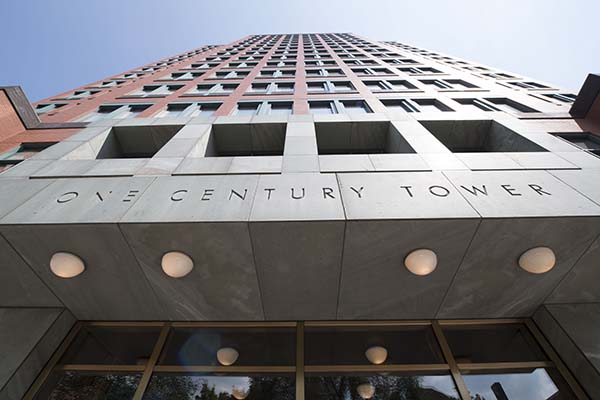
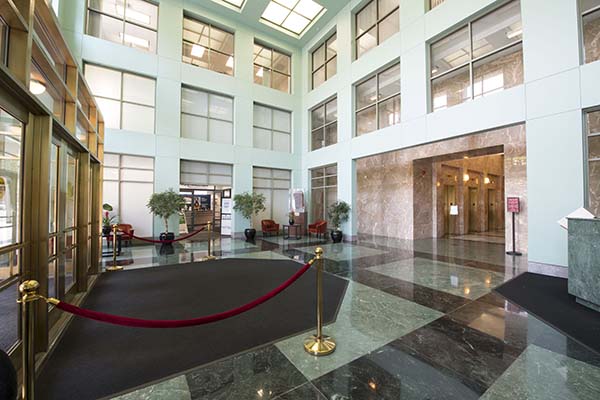
Early, Lucarelli, Sweeney & Meisenkothen
Address:
265 Church St.
New Haven, CT 06510
Phone:
800-336-0086
Mesothelioma Compensation in Connecticut
Our attorneys understand the profound impact a mesothelioma diagnosis can have on your life. As a leading mesothelioma law firm, we've helped Connecticut’s affected families secure the compensation they rightfully deserve to alleviate the financial burden of a mesothelioma diagnosis.
You have the right to seek compensation for:
- Medical expenses
- Lost wages
- Pain and suffering
We work with our clients to determine the best way to get compensation for you, whether through pursuing a mesothelioma lawsuit, asbestos bankruptcy trust claim, workers' compensation or a combination of the above. Our asbestos lawyers focus almost exclusively on mesothelioma cases to assist you in seeking the maximum compensation available.
Meet Our Connecticut Mesothelioma Lawyers
The legal team at ELSM has helped thousands of clients obtain settlements or favorable verdicts over the last four decades. The mesothelioma lawyers below are all licensed to practice in the state of Connecticut.





Mesothelioma Statute of Limitations in Connecticut
In Connecticut, the statute of limitations for filing mesothelioma and asbestos claims is 3 years from the date of diagnosis. This also applies to wrongful death claims, where the victims' families have 3 years from the time of their loved one's passing to file a claim.
Given the time-sensitive nature of these cases, mesothelioma victims in Connecticut and their families must act swiftly. Engaging a mesothelioma lawyer who has extensive experience with asbestos-related claims is a critical step in this process. Failure to act before the statute of limitations expires could result in a loss of rights to compensation for you or your family.
We're here to make sure that doesn't happen.
Mesothelioma Settlements for Clients Living in Connecticut
Our mesothelioma lawyers have successfully secured numerous settlements for clients in Connecticut. However, it's important to understand that individual cases can vary greatly based on a multitude of factors, and past results do not guarantee a similar outcome in future cases.
If you have any questions about your legal rights or the process of filing a mesothelioma or asbestos claim in Connecticut, please contact us at any time.
| State | Disease | Occupation / Exposure | Age | ~ Monies to Date |
|---|---|---|---|---|
| CT | Mesothelioma | Home Renovator | 75 | ~$15,100,000 |
| CT | Mesothelioma | Abatement Worker / Painter | 70 | ~$12,600,000 |
| CT | Mesothelioma | Talc Powder User | 64 | ~$5,500,000 |
| CT | Mesothelioma | Insulator / Navy Worker | 70 | ~$4,700,000 |
| CT | Mesothelioma | Merchant Marine / Engineer | 73 | ~$4,000,000 |
| CT | Mesothelioma | Cosmetic Talc User | 74 | ~$3,700,000 |
| CT | Mesothelioma | Rogers Corp Employee | 66 | ~$3,700,000 |
| CT | Mesothelioma | Electrician | 55 | ~$3,600,000 |
Mesothelioma Verdicts for Clients Living in Connecticut
Verdicts for mesothelioma cases in Connecticut are based on several factors, and every case is different. Past outcomes do not guarantee the same result. One of our experienced asbestos lawyers can help you understand your rights and next steps.
| State | Disease | Occupation / Exposure | Age | Verdict Amount |
|---|---|---|---|---|
| CT | Mesothelioma | Talc Powder User | 54 | ~$25,000,000 |
| CT | Mesothelioma | Process Engineer | 80 | ~$22,500,000 |
| CT | Mesothelioma | Home Renovator | 75 | ~$20,000,000 |
Don't wait until it is too late to protect your rights! The evaluation will cost you nothing.

Jobsites in Connecticut with Documented Mesothelioma Cases
Workplaces often present the highest risk for asbestos exposure, which may lead to mesothelioma cancer. In Connecticut, thousands of major job sites have put workers at risk by exposing them to asbestos.
Our experienced mesothelioma lawyers have represented clients who worked at the following major job sites in Connecticut:
- American Brass Company - Ansonia, Waterbury
- American Optical - Putnam
- B.F. Goodrich - Shelton
- Bradley Field Airport - Windsor
- Bridgeport Harbor Station - Bridgeport
- C.N. Flagg & Company - Meriden
- Colt Firearms - Hartford
- Conn Light & Power Company - Shelton
- Connecticut Light & Power Company - Montville
- Connecticut Yankee Powerhouse - Haddam
- Devon Powerhouse - Milford
- Electric Boat Shipyard - Groton
- General Dynamics - Groton
- General Electric Company - Bridgeport
- Hamilton Standard – East Hartford, Windsor Locks
- Hartford Hospital - Hartford
- Hartford Steam Boiler - Hartford
- Millstone Power Station - Waterford
- New Haven Coliseum - New Haven
- Pfizer Chemical - Groton
- Pratt & Whitney Aircraft - East Hartford
- Raybestos-Manhattan Inc - Bridgeport
- Remington Arms Company - Bridgeport
- Rogers Corporation - Rogers
- Sikorsky Aircraft - Stratford
- Steel Point Power Station - Bridgeport
- U.S. Naval Submarine Base - New London
- United Illuminating - New Haven
- United Technologies - Hartford
- Yale University - New Haven
Asbestos exposure has occurred in many other mesothelioma jobsites in Connecticut as well. We can work with you or your loved one who was exposed to asbestos while on the job no matter where in Connecticut you live and work, either currently or in the past.
ELSM Clients Living in Connecticut
The asbestos lawyers of Early, Lucarelli, Sweeney and Meisenkothen have represented mesothelioma clients all over the state of Connecticut. Our clients live in the towns and cities of Connecticut listed below:
Top Connecticut Cities and Towns Where ELSM Clients Live
| Ansonia, CT | Avon, CT |
| Ballouville, CT | Baltic, CT |
| Berlin, CT | Bethany, CT |
| Bethel, CT | Bloomfield, CT |
| Bolton, CT | Branford, CT |
| Bridgeport, CT | Bristol, CT |
| Broad Brook, CT | Brooklyn, CT |
| Chaplin, CT | Cheshire, CT |
| Clinton, CT | Colchester, CT |
| Cromwell, CT | Danbury, CT |
| Danielson, CT | Darien, CT |
| Deep River, CT | Derby, CT |
| Durham, CT | East Berlin, CT |
| East Hampton, CT | East Hartford, CT |
| East Hartland, CT | East Haven, CT |
| East Lyme, CT | East Windsor, CT |
| Ellington, CT | Enfield, CT |
| Fairfield, CT | Glastonbury, CT |
| Griswold, CT | Groton, CT |
| Guilford, CT | Haddam, CT |
| Hamden, CT | Hartford, CT |
| Harwinton, CT | Hebron, CT |
| Higganum, CT | Jewett City, CT |
| Kensington, CT | Killingworth, CT |
| Ledyard, CT | Lisbon, CT |
| Madison, CT | Manchester, CT |
| Marion, CT | Marlborough, CT |
| Meriden, CT | Middlebury, CT |
| Middletown, CT | Milford, CT |
| Milldale, CT | Moodus, CT |
| Mystic, CT | Naugatuck, CT |
| New Britain, CT | New Canaan, CT |
| New Haven, CT | New London, CT |
| New Milford, CT | Newington, CT |
| Newtown, CT | Niantic, CT |
| Norfolk, CT | North Branford, CT |
| North Franklin, CT | North Grosvenordale, CT |
| North Haven, CT | North Stonington, CT |
| Northford, CT | Norwalk, CT |
| Norwich, CT | Oakdale, CT |
| Old Lyme, CT | Old Saybrook, CT |
| Orange, CT | Oxford, CT |
| Pawcatuck, CT | Plainfield, CT |
| Plainville, CT | Plantsville, CT |
| Portland, CT | Preston, CT |
| Prospect, CT | Putnam, CT |
| Quaker Hill, CT | Rocky Hill, CT |
| Sandy Hook, CT | Shelton, CT |
| Sherman, CT | Simsbury, CT |
| Somers, CT | South Windsor, CT |
| Southbury, CT | Southington, CT |
| Southport, CT | Stafford Springs, CT |
| Stamford, CT | Stonington, CT |
| Stratford, CT | Suffield, CT |
| Thompson, CT | Tolland, CT |
| Torrington, CT | Trumbull, CT |
| Uncasville, CT | Vernon, CT |
| Wallingford, CT | Waterbury, CT |
| Waterford, CT | Watertown, CT |
| West Hartford, CT | West Haven, CT |
| West Redding, CT | Westbrook, CT |
| Westport, CT | Wethersfield, CT |
| Wilton, CT | Windsor, CT |
| Windsor Locks, CT | Winsted, CT |
| Woodbridge, CT | Woodstock, CT |
Total number of Connecticut towns and cities represented by ELSM: 130
Connecticut Asbestos Laws
Connecticut has a comprehensive set of laws and regulations related to asbestos exposure and mesothelioma. These laws, such as the Connecticut Asbestos Program (Connecticut General Statutes Section 19a-332a-1 to 19a-332a-16), are designed to protect the public from the health risks associated with asbestos exposure. They regulate the handling, removal, and disposal of asbestos-containing materials, and violations can lead to severe penalties.
Our team of asbestos lawyers understand the intricacies of Connecticut's asbestos regulations and how they apply to mesothelioma cases. Our extensive experience in this area allows us to guide you effectively through the legal process, ensuring that your rights are protected and that you receive the compensation you deserve.
Connecticut Asbestos News
Spotlight on Connecticut Asbestos Exposure: New Research Published in 2025 Reveals Mesothelioma Risks for Factory Workers. ELSM’s Connecticut mesothelioma attorney Christopher Meisenkothen sheds light on the long-overlooked dangers of chrysotile asbestos exposure. Learn how Connecticut’s industrial past is still putting workers at risk today.
Frequently Asked Questions
Can I sue for mesothelioma in Connecticut?
Yes, you can sue for mesothelioma in Connecticut. If you or a loved one has been diagnosed with mesothelioma due to asbestos exposure, you have the right to seek compensation for medical expenses, lost wages, travel expenses associated with treatment, and pain and suffering.
How do I file a mesothelioma claim in Connecticut?
To file a mesothelioma claim, you should first contact a lawyer. An experienced mesothelioma attorney will help you gather relevant documents needed to support your case such as medical records, employment records, witness statements, and any other documentation that provides evidence of your asbestos exposure. An attorney will use this documentation to help you seek compensation by filing a formal lawsuit on your behalf.
What is the statute of limitations for mesothelioma claims in Connecticut?
In Connecticut, the statute of limitations for mesothelioma claims is 3 years from the date of diagnosis. This means you have 3 years from the time you were diagnosed to file a lawsuit. If you're filing a wrongful death claim, you have 3 years from the date of your loved one's death to file.
Can family members of mesothelioma victims file a claim in Connecticut?
Yes, family members of mesothelioma victims can file a claim in Connecticut. If your loved one has passed away from mesothelioma, you may be able to file a wrongful death claim on their behalf. This can help cover medical expenses, loss of income, and other costs associated with your loved one's illness.
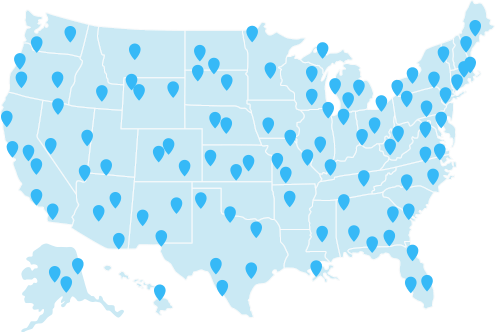
Select a state below to learn more about our team and the results we've secured in your area.

Request A Free Mesothelioma Case Evaluation in Connecticut
If you or someone you love has been diagnosed with mesothelioma, we invite you to request a free case evaluation. We understand the challenges you're facing, and we're here to help. Our team of dedicated mesothelioma lawyers is ready to provide a comprehensive evaluation of your case at no cost to you.
Our lawyers will travel to meet you in person, or if you prefer, we can evaluate your case over the phone with a conference call.
We're here to assist you in any way we can during this difficult time. If you have any questions or if you're ready to start the process, call us toll-free at 800-336-0086 at any time.
Attorney Meisenkothen is a member of several professional organizations, including the Connecticut Trial Lawyers Association, the American Association for Justice, the American Bar Association, and the Connecticut Bar Association.
Learn
More


 Please Answer 3 Quick Questions to