
Mesothelioma & Asbestos Law Firm In California


Early, Lucarelli, Sweeney & Meisenkothen, a nationally recognized mesothelioma law firm, is proficient in handling asbestos-related cases across California, from San Diego to Los Angeles to Sacramento.
Our mesothelioma lawyers are adept in California-specific litigation, legislation, and liability issues, and we are committed to helping victims in the Golden State secure timely compensation. With extensive knowledge of the numerous asbestos companies in California, we understand the impact that their operations have caused. Our asbestos lawyers are dedicated to seeking justice for our clients.
Filing Mesothelioma Lawsuits in California
In general, mesothelioma victims or their survivors can submit an asbestos claim in any state where they have worked, resided or provided military service. Even if you are not currently living, employed or stationed in California, you may be able to file a personal injury or wrongful death claim if the relevant asbestos exposure occurred in the state.
Our experienced lawyers can help you choose the appropriate venue for your mesothelioma lawsuit. We can also provide guidance about the best court in which to file your claim.
Our California Office
Early, Lucarelli, Sweeney & Meisenkothen
Address:
3848 West Carson Street
Suite 350
Torrance, CA 90503
Phone:
800-336-0086
Mesothelioma Compensation in California
In California, individuals affected by mesothelioma have several avenues for seeking compensation. These include personal injury or wrongful death lawsuits, asbestos trust fund claims and workers' compensation.
Compensation can help cover:
- Medical expenses
- Lost wages
- Pain, suffering and other costs
It's important to note that California has specific laws and regulations regarding asbestos litigation, including time limits known as statutes of limitations for filing claims. A knowledgeable mesothelioma lawyer familiar with these laws can help you receive the maximum compensation you're entitled to. Our dedicated asbestos lawyers bring extensive experience to guide you through this complex process.
Meet Our California Mesothelioma Lawyers
Our asbestos lawyers take pride in representing mesothelioma patients in California and across the country. Our team is passionate about proving the negligence of asbestos companies and securing financial compensation for victims. The following attorneys from ELSM are licensed to practice in the state of California:

California Statute of Limitations for Mesothelioma
In California, the statute of limitations for mesothelioma and asbestos claims is 1 year from the date of diagnosis. For wrongful death claims, victims’ families have 1 year from the time their loved one passes away to file a claim, according to the statute.
Because there is only a short time to gather evidence and file a claim, mesothelioma victims in California and their families are encouraged to act quickly to find a mesothelioma lawyer who is experienced with asbestos-related claims. Failing to act before the statute of limitations runs out could result in a loss of rights to compensation for you or your family.
If you have been exposed to asbestos and diagnosed with mesothelioma cancer, it’s important to contact a qualified mesothelioma lawyer as soon as possible.
Settlements for Mesothelioma Clients Living in California
The following table represents some of the clients our California mesothelioma lawyers have had the privilege of representing.
| State | Disease | Occupation / Exposure | Age | ~ Monies to Date |
|---|---|---|---|---|
| CA | Mesothelioma | Plumber / Mechanic | 49 | ~$13,500,000 |
| CA | Mesothelioma | Pipefitter | 65 | ~$12,000,000 |
| CA | Mesothelioma | Navy Veteran / Dry Wall Sprayer | 48 | ~$11,700,000 |
| CA | Mesothelioma | Surgeon / Army Veteran | 62 | ~$11,500,000 |
| CA | Mesothelioma | Navy Veteran / Nuclear Plant Worker | 59 | ~$9,900,000 |
| CA | Mesothelioma | Warehouse Worker | 63 | ~$9,600,000 |
| CA | Mesothelioma | Navy Veteran | 57 | ~$9,500,000 |
| CA | Mesothelioma | Air Force Veteran / Laborer | 77 | ~$9,200,000 |
Mesothelioma Verdicts for Clients Living in California
Mesothelioma verdict amounts in California vary based on the details of each case, and past outcomes do not ensure the same result. If you have questions about your legal rights, our asbestos lawyers can help.
| State | Disease | Occupation / Exposure | Age | Verdict Amount |
|---|---|---|---|---|
| CA | Mesothelioma | Talc Powder User | 88 | ~$966,000,000 |
| CA | Mesothelioma | Cosmetic Talc User | 75 | ~$51,000,000 |
Don't wait until it is too late to protect your rights! The evaluation will cost you nothing.

Jobsites in California with Documented Mesothelioma Cases
One of the highest-risk places for asbestos exposure is on the job in areas such as Oakland, Modesto, San Diego, and others. Thousands of major jobsites in California have put unsuspecting workers at risk for exposure to asbestos.
Our attorneys have represented mesothelioma clients who have worked at some of the largest sites in California where asbestos exposure occurred:
- Alcoa Building - San Francisco
- Bethlehem Steel Corporation - Alameda
- California Gas and Electric Company - San Francisco
- Department of Water & Power - Los Angeles
- Golden Gate Bridge - Toll Station - San Francisco
- Hamilton Field Air Force Base - Novato
- Kaiser Shipyard - Richmond
- Lawrence Livermore Radiation Labs - Livermore
- Los Angeles International Airport (LAX) - Los Angeles
- Los Angeles Pacific Railway Company - Los Angeles
- Mare Island Naval Shipyard - Vallejo
- Miramar Naval Air Station - San Diego
- Moore Dry Dock - Oakland
- Naval Air Station - Oakland
- North Island Naval Air Station - San Diego
- Pacific Gas & Electric Company - San Francisco
- San Diego Marine Shipyard - San Diego
- San Diego Naval Shipyard - San Diego
- San Francisco Naval Shipyard - San Francisco
- Southern California Edison - Redondo Beach
- Standard Oil Company - El Segundo, Richmond
- Todd Shipyard - Alameda
- Treasure Island Naval Station - San Francisco
- Vandenberg Air Force Base - Vandenberg
ELSM Clients Living in California
The law firm of Early, Lucarelli, Sweeney & Meisenkothen has represented hundreds of mesothelioma clients in the state of California — helping them to secure financial assistance for their loved ones. Our clients live in the towns and cities of California below:
Top California Cities and Towns Where ELSM Clients Live
| 29 Palms, CA | Alhambra, CA |
| Alpine, CA | Anaheim, CA |
| Antelope, CA | Antioch, CA |
| Apple Valley, CA | Aromas, CA |
| Atascadero, CA | Auburn, CA |
| Azusa, CA | Bakersfield, CA |
| Banning, CA | Benicia, CA |
| Boulevard, CA | Brentwood, CA |
| Buellton, CA | Carlsbad, CA |
| Carpinteria, CA | Carson, CA |
| Cazadero, CA | Ceres, CA |
| Cerritos, CA | Chatsworth, CA |
| Chico, CA | Chino, CA |
| Chula Vista, CA | Citrus Heights, CA |
| Clovis, CA | Coalinga, CA |
| Concord, CA | Corona, CA |
| Coronado, CA | Costa Mesa, CA |
| Cottonwood, CA | Covina, CA |
| Del Mar, CA | Diamond Bar, CA |
| Discovery Bay, CA | Dorris, CA |
| Duarte, CA | El Cajon, CA |
| El Cerrito, CA | El Dorado Hills, CA |
| El Segundo, CA | El Sobrante, CA |
| Elk Grove, CA | Emerald Hills, CA |
| Escondido, CA | Exeter, CA |
| Fair Oaks, CA | Fairfield, CA |
| Fallbrook, CA | Fontana, CA |
| Foresthill, CA | Fresno, CA |
| Fullerton, CA | Garden Grove, CA |
| Gasquet, CA | Georgetown, CA |
| Glendale, CA | Glendora, CA |
| Granada Hills, CA | Grass Valley, CA |
| Hayward, CA | Hemet, CA |
| Hesperia, CA | Hidden Hills, CA |
| Huntington Beach, CA | Igo, CA |
| Keyes, CA | La Jolla, CA |
| La Mesa, CA | La Puente, CA |
| La Quinta, CA | Laguna Hills, CA |
| Lake Forest, CA | Lake Isabella, CA |
| Lakeside, CA | Lakewood, CA |
| Landers, CA | Lincoln, CA |
| Lodi, CA | Long Beach, CA |
| Los Angeles, CA | Madera, CA |
| Manhattan Beach, CA | Manteca, CA |
| Maricopa, CA | Mariposa , CA |
| McKinleyville, CA | Menifee, CA |
| Merced, CA | Milpitas, CA |
| Mission Viejo, CA | Modesto, CA |
| Montara, CA | Montebello, CA |
| Moreno Valley, CA | Mountain View, CA |
| Murrieta, CA | Napa, CA |
| Newark, CA | Newcastle, CA |
| Newport Beach, CA | Norco, CA |
| Oak Park, CA | Oakland, CA |
| Oceanside, CA | Orange, CA |
| Orangevale, CA | Oxnard, CA |
| Palm Desert, CA | Palm Springs, CA |
| Palo Alto, CA | Pasadena, CA |
| Paso Robles, CA | Penn Valley, CA |
| Pioneer, CA | Placentia, CA |
| Placerville, CA | Pleasanton, CA |
| Pomona, CA | Poway, CA |
| Ramona, CA | Rancho Cucamonga, CA |
| Rancho Mirage, CA | Rancho Palos Verdes, CA |
| Redondo Beach, CA | Redwood City, CA |
| Rescue, CA | Richmond, CA |
| Richvale, CA | Ridgecrest, CA |
| Ripon, CA | Riverside, CA |
| Rohnert Park, CA | Roseville, CA |
| Sacramento, CA | San Anselmo, CA |
| San Bernardino, CA | San Bruno, CA |
| San Carlos, CA | San Diego, CA |
| San Dimas, CA | San Francisco, CA |
| San Jacinto, CA | San Jose, CA |
| San Juan Capistrano, CA | San Marcos, CA |
| San Mateo, CA | San Pedro, CA |
| San Rafael, CA | San Ramon, CA |
| Santa Ana, CA | Santa Barbara, CA |
| Santa Clara, CA | Santa Cruz, CA |
| Santa Monica, CA | Santa Paula, CA |
| Santa Rosa, CA | Santee, CA |
| Seal Beach, CA | Sebastopol, CA |
| Sierra Madre, CA | Simi Valley, CA |
| Sonoma, CA | South Gate, CA |
| South Lake Tahoe, CA | South San Francisco, CA |
| Spring Valley, CA | Stockton, CA |
| Studio City, CA | Suisun City, CA |
| Sun Valley, CA | Sylmar, CA |
| Taft, CA | Tarzana, CA |
| Temecula, CA | Tracy, CA |
| Tujunga, CA | Tulare, CA |
| Upland, CA | Vacaville, CA |
| Vallejo, CA | Venice, CA |
| Villa Park, CA | Visalia, CA |
| Vista, CA | Watsonville, CA |
| Westlake Village, CA | Westminster, CA |
| Whittier, CA | Wilmington, CA |
| Wilton, CA | Woodbridge, CA |
| Woodcrest, CA | Woodland Hills, CA |
Total number of California towns and cities represented by ELSM: 198
Our Trusted Mesothelioma Law Firm Partners in California
When appropriate, ELSM partners with trusted law firms in California to add additional expertise to your legal team. This collaboration adds additional knowledge and experience to your case at no additional cost to you. Our California law firm partners maintain physical offices in the state. We have jointly handled hundreds of mesothelioma cases in California to achieve top settlement dollars for our clients.

Dean Omar Branham Shirley represents people around the country against companies who have repeatedly risked the lives and health of others. DOBS has eight California-based attorneys who have produced tremendous results for our mutual clients. DOBS and ELSM have worked together to secure large settlements ranging from $5.52 million-12.2 million and record verdicts including $52.1 million and $996 million for these clients. DOBS has quickly become one of our most trusted and successful partnerships.

Frost Law Firm, PC is a national mesothelioma law firm with more than 30 years of combined experience fighting for asbestos victims and their families. The firm has recovered tens of millions of dollars for clients, including a $32 million verdict in a secondhand asbestos exposure case. Founding attorney Scott L. Frost brings a deeply personal commitment to this work, after losing his father to asbestos exposure, he now advocates for others in his memory. Frost Law Firm has a law office located at 272 W 7th Street in San Pedro.
These partnerships allow ELSM to offer the strength of a national firm with the deep local experience California mesothelioma victims need.
California Asbestos Laws
California strictly regulates the use of asbestos through everything from air quality and asbestos removal programs to litigation related to asbestos injury through exposure. The state's history with asbestos is significant and includes prominent cases such as that of the Long Beach Naval Shipyard, which from 1940 to 1997 exposed thousands to asbestos — a popular ship-building material.
Asbestos Litigation in California
According to an analysis in DataPoints, an occasional newsletter produced by California’s judicial branch, most asbestos litigation in the state has historically originated in three counties — Alameda, Los Angeles and San Francisco. These were also three of the top five venues in the country for asbestos lawsuits through the 1980s.
In the late 1980s and early 1990s, asbestos claims in California dropped significantly compared with other areas of the country. In recent years, California filings related to asbestos and mesothelioma have started to rise again, with cities like Bakersfield, Sacramento and Modesto reporting increased cases.
Today, the Superior Court of San Francisco County hears a large majority of asbestos cases in California. To help manage the large volume of cases, San Francisco County uses a system of electronic filing and case management. The San Francisco courts also group similar cases to help streamline the caseloads moving through the system. The courts also offer preference to plaintiffs who have short life expectancies. Few asbestos cases in California go all the way to a trial verdict.
Asbestos Safety Guidelines in California
Given its size, California has implemented two separate sets of safety regulations to help protect its citizens from naturally occurring asbestos, which is found in at least 45 of the state’s 58 counties. These laws, known as Asbestos Airborne Toxic Control Measures (ATCMs), specifically apply to two different classes of activity:
- Surfacing Applications
- This applies to the production, sale, or use of "aggregate material" (i.e., gravel, sand, etc.) in geographic areas where ultramafic rock is known to be located, or where an air pollution control officer has otherwise determined that asbestos is present.
- Construction, Grading, Quarrying, and Surface Mining
- This rule applies to construction and mining-related activities in areas where ultramafic rock or asbestos occurs naturally.
While some exceptions are allowed, generally companies and individuals in California must work together with an air quality control officer to make sure they remain compliant with these ATCMs.
In addition to regulating activities around naturally occurring asbestos, the California code includes a chapter on General Industry Safety Orders, which contains rules about asbestos and other regulated carcinogens. These state-specific laws build on federal laws and regulations provided by the Occupational Safety and Health Administration (OSHA) and other agencies.
California also follows standards set forth by the following:
- National Emission Standards for Hazardous Air Pollutants (NESHAP): These U.S. Environmental Protection Agency (EPA) guidelines seek to minimize airborne contaminants known to be health hazards.
- Air Resources Board (ARB): Part of the California Environmental Protection Agency (CalEPA), this board provides statewide NESHAP oversight. The state is broken up into 35 local air districts, each of which may have its own guidelines that must be followed when renovating or demolishing a building. Nineteen California counties are not part of an air district, and companies in those counties must work directly with the ARB.
Frequently Asked Questions
Can I sue for mesothelioma in California?
Yes, individuals diagnosed with mesothelioma in California have the right to file a lawsuit against the parties responsible for their asbestos exposure. These lawsuits can help victims and their families recover compensation for medical expenses, lost wages and pain and suffering.
How do I file a mesothelioma claim in California?
Filing a mesothelioma claim in California involves several steps. First, you'll need to identify when and where you were exposed to asbestos. Then, with the help of a mesothelioma lawyer, you'll file a lawsuit against the responsible parties. Your lawyer will guide you through the process, gathering necessary medical records and evidence of your asbestos exposure.
What is the statute of limitations for mesothelioma claims in California?
In California, the statute of limitations for personal injury claims related to mesothelioma is 1 year from the date of diagnosis. For wrongful death claims, the statute of limitations is 1 year from the date of death.
Can family members of mesothelioma victims file a claim in California?
Yes. As a surviving family member, you can file a wrongful death claim in California if your loved one has died from mesothelioma. This type of claim can help recover compensation for medical expenses, funeral costs, loss of income, and loss of companionship. It's best to consult with an asbestos law firm to understand your rights and the process involved.
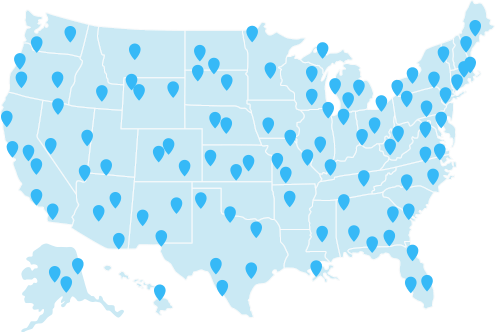
Select a state below to learn more about our team and the results we've secured in your area.

Request a Free Case Evaluation
Request a free case evaluation now if you or someone you love has been diagnosed with mesothelioma. The evaluation will cost you nothing. Our lawyers will travel to visit you at your convenience or conference call with you over the phone. We understand how difficult a time this is for you and will assist in any way that we can. You can also call us toll-free at 800-336-0086 at any time.

 Please Answer 3 Quick Questions to