
How is Mesothelioma Treated?


Finding the right doctor who specializes in treating mesothelioma can improve your prognosis.
In recent years we have seen a number of medical advances and breakthroughs in the area of mesothelioma treatment. Earlier detection techniques combined with new and emerging treatment modalities can offer hope for better quality of life and an improved prognosis for those diagnosed with mesothelioma.
Conventional mesothelioma treatments include surgery, chemotherapy and radiation. Experimental treatments are also currently being tested through clinical trials.
Surgery for Mesothelioma

Surgery is a possible treatment option for mesothelioma, particularly in the early stages when the cancer is still localized and has not yet spread into other organs or tissue in the body.
There are two main types of surgery:
- Curative surgery: Aims to remove mesothelioma tumors and surrounding affected tissue to help slow disease progression.
- Palliative surgery: Focuses on relieving symptoms, often by draining fluid buildup that can cause pain and difficulty breathing.
Curative surgery is considered if the tumor has not spread and can possibly be removed entirely, but only if the patient is relatively healthy. A pleurectomy is a complicated surgery that removes only the affected lung. A more invasive curative surgery is an extrapleural pneumonectomy, which is the removal of the entire lung, part of the pericardium (the membrane covering the heart), part of the diaphragm, and a portion of the membrane lining the chest cavity (the parietal pleura). This procedure is far more risky than a pleurectomy, and typically a last resort, because it cuts the patients breathing capacity in half. This surgery is very complex and must be performed by a specialized surgeon.
Palliative surgery is typically performed when the cancer has already reached later stages and has spread throughout the body. A painful symptom of mesothelioma is the accumulation of fluid in the chest cavity. A common treatment for this is thorecentesis, where a needle is inserted into the pleural space to drain the fluid. This procedure greatly relieves pain and eases breathing, but the frequent use of this treatment can cause the fluid to return more rapidly. A pleurodesis permanently blocks the fluid from returning by closing off the pleural space. A rare treatment to relieve pain is a pleurectomy, where the pleura is removed in order to prevent the painful fluid buildup and to remove cancerous tumors.
Surgery can also be performed on peritoneal mesothelioma. Curative surgery can remove tumors from the abdomen wall and other affected tissues and organs. Palliative surgery can ease the painful symptoms caused by these tumors. As with pleural mesothelioma, these tumors are often too large to remove completely.
Pneumonectomy
Generally, the options most often recommended for the treatment of malignant mesothelioma are chemotherapy and radiation. However, when surgery is a consideration, the procedure recommended for advanced meso patients is the pneumonectomy.
What is a Pneumonectomy?
An extrapleural pneumonectomy is a surgical procedure whereby the entire diseased lung, the pericardium, a portion of the diaphragm, and the parietal pleura is removed from the affected side of the chest cavity. This option is usually considered when the cancer is located in the center of the lung, encompassing both the veins and pulmonary artery as well.
Because of its complexity, the pneumonectomy is a last resort and is not widely performed. This means if your doctor recommends the procedure, you may have to travel away from your home to find the best doctor to perform the surgery.
What is the Success Rate?
If you are deemed a viable candidate for this surgery, you can expect to benefit greatly from this procedure. Doctors have determined that after a successful extrapleural pneumonectomy, followed by chemotherapy and/or radiation, a meso patients lifespan can increase from months to years.
Disadvantages
Because there will be only one remaining lung after surgery, patients who undergo pneumonectomy will obviously suffer from diminished lung capacity. That means the health of your remaining lung will largely determine whether or not you are a candidate for this surgery. If the other lung is diseased as well, breathing would be extremely difficult after the pneumonectomy.
After successful surgery, patients should remember to:
- Participate in any pulmonary rehab programs recommended by your doctor
- Avoid smoking
- Maintain a healthy weight
- Develop a sensible exercise program

A complete guide delivered next day to your doorstep. Treatment Information, top doctors & cancer centers, financial assistance and more.
Chemotherapy for Mesothelioma
Information about chemotherapy treatment options and chemotherapy drugs including Alimta, the first and only chemotherapy drug to be FDA approved to treat mesothelioma.
Chemotherapy is a common therapy that uses drugs to treat cancer. These drugs are administered either in a pill form, or injected by a needle into vein or muscle. Chemotherapy travels through the entire body to locate and destroy cancer cells, which poses a threat to the non-cancerous areas of the body. Unlike localized radiation therapy, chemotherapy affects all cells in the body and has the potential to destroy healthy cells. In patients with mesothelioma, however, the chemotherapy can be directly administered into the chest cavity (intraperitoneally) or into the abdominal cavity (intraperitoneally).
A breakthrough chemotherapy drug called Alimta® is currently the first and only chemotherapy drug to be FDA approved to treat mesothelioma. This drug is also successful when used in conjunction with Cisplatin. Doxorubicin (Adriamycin) is also a very effective drug used in chemotherapy. Your doctor can help find the best chemotherapy drug that is suitable for you.
The use of chemotherapy can produce many unwanted side effects. Temporary side effects include nausea, vomiting, diarrhea or constipation, hair loss, loss of appetite, and mouth sores. Chemotherapy can damage cell counts, leaving patients with low blood cell counts. Side effects of this may include increased risk of infection, excess bleeding or bruising of minor cuts and injuries, and fatigue or shortness of breath. Some or most of these side effects can be reduced through the use of other medications. Chemotherapy is not for patients who are in the later stages of mesothelioma due to the debilitating side effects associated with this treatment. Make sure you consult with your doctor if you experience any side effects.
Common chemotherapy drugs used to treat Mesothelioma include:
- Alimta®: Now considered a first-line drug in the treatment of mesothelioma, Alimta® has been lauded as the first and only chemotherapy drug approved by the Food and Drug Administration (FDA) for the treatment of unresectable malignant pleural mesothelioma (MPM) or non-small cell lung cancer. Manufactured by Eli Lilly and Company Pharmaceuticals, oncologists are singing the praises of this breakthrough drug, which is often used in conjunction with another popular chemo drug, Cisplatin.
- Carboplatin: Used widely in the treatment of both ovarian and lung cancer, the drug known as carboplatin is sometimes used to treat patients suffering from mesothelioma. Manufactured by Bristol Myers Squibb, carboplatin is generally prescribed in conjunction with another chemo drug, Gemcitabine.
- Cisplatin: The popular chemotherapy drug Cisplatin belongs to a family of drugs known as alkylating or platinum-containing agents. Cisplatin has been fighting cancer since 1978 and was the first member in its class of drugs. While it is currently widely used along with Alimta® in the treatment of malignant pleural mesothelioma, it has also traditionally been used to treat ovarian, lung, bladder, stomach, and testicular cancer.
- Gemcitabine: Gemcitabine is a member of the family of drugs known as anti-metabolites, used in the treatment of lung, breast, pancreatic, and bladder cancer as well as malignant mesothelioma. This drug and others like it work by preventing cells from making RNA and DNA by interfering with the synthesis of nucleic acids. In turn, cancer cells will stop growing and will die, preventing the reproduction of such cells.
- Navelbene; The chemotherapy drug Navelbine has been lauded for producing much milder side effects as compared with a number of other similar chemo drugs, such as Cisplatin. It has been used consistently in the treatment of not only malignant pleural mesothelioma but also breast cancer and non-small cell lung cancer.
- Onconase: Onconase, manufactured by the Alfacell Corporation, slows down cancer growth by decaying RNA. Without certain RNA strands, cancer cells cannot produce certain essential proteins and therefore cannot replicate. The lack of RNA slows the growth of the tumor in question. Thus far, the trials for Onconase have showed much promise. The drug, developed from the eggs of the leopard frog, is designed to enhance the anti-cancer effects of traditional chemotherapy drugs, allowing the use of lower doses and therefore producing fewer serious side effects.
Radiation Therapy for Mesothelioma
Out of the many treatments possible for mesothelioma patients, radiation therapy is the oldest treatment with the fewest side effects. This can be an appealing alternative because it allows you to lead a relatively normal lifestyle. This therapy is often used when surgery is not an option. Radiation therapy utilizes high energy rays to destroy cancer cells and limit their growth. While chemotherapy affects all cells, radiation allows for the localization of treatment. Radiation only affects cancerous cells and not healthy cells.
There are two main types of radiation therapy used to treat mesothelioma:
- External beam radiation therapy: Delivered using a machine similar to an X-ray machine. Treatment is typically given five days a week over several weeks.
- Internal radiation (brachytherapy): Involves placing radioactive material directly at the tumor site so the radiation targets the cancer more precisely. This approach requires a hospital stay due to radiation levels after implantation, and the implants may be temporary or permanent.
Radiation therapy can stop the spread of cancer, and can also help alleviate symptoms of mesothelioma such as shortness of breath, pain, and difficulty swallowing. This treatment has much milder side effects than other treatments for mesothelioma. Side effects may include extreme fatigue and skin reactions that resemble sunburn. Chest radiation may cause lung damage, and abdominal radiation may cause diarrhea, nausea and vomiting.
Regardless of side effects, radiation therapy helps to damage the cancerous cells of mesothelioma and alleviate symptoms of the cancer. The goal of radiation therapy is to kill the cancer and create a more livable and comfortable lifestyle. The side effects of radiation therapy, as with any other therapy, could outweigh the pain and suffering that mesothelioma causes.
Mesothelioma Treatment by Stage
This section lists typical treatment strategies based on the stage (using the Butchart staging system) of a pleural mesothelioma.
It is important to know the stage of mesothelioma in order to prescribe treatment options. Patients should receive treatment as soon as possible after diagnosis in order to prevent the cancer from advancing to the next stage.
Stage I Mesothelioma:
Mesothelioma is localized in this stage; therefore the best option is surgery. A pleurectomy or extrapleural pneumonectomy will remove the tumor from the lung, sections of the pleura, the lining around the heart, and/or part of the diaphragm. Clinical trials may be used for treatment.
Stages II, III Mesothelioma:
When mesothelioma reaches these stages, treatment becomes palliative, or primarily for the relief of pain and suffering. Thoracentesis relieves pain in the chest and eases breathing. A needle is inserted in the chest cavity to drain fluid accumulation. Radiation and chemotherapy can also be effective in these stages. Unfortunately, mesothelioma can not usually be cured in the more advanced stages. Clinical trials are an option and can be beneficial in helping find a possible cure. These trials can provide experimental drugs or therapies that can treat your symptoms.
Stage IV Mesothelioma:
This is the most advanced stage of mesothelioma. Cancer has already spread throughout the body, preventing the possibility of a cure. Chemotherapy and radiation therapy are possible in this stage for pain relief. However, because these therapies are aggressive and have many side effects, they are usually undesirable treatments in this stage. Supportive treatments, such as hospice care, may be the best option because it is often difficult for loved ones to take full care of the patient. Medications are also available to treat pain and suffering.
It is important that you discuss all of your options with a mesothelioma specialist. Dealing with your cancer may be overwhelming and your doctor can help you decide what treatment will be best for you.
Locate a Top Mesothelioma Doctor or Cancer Center Near You
If you have been diagnosed with mesothelioma we know that getting access to the best medical treatment available is your number one priority. Fortunately there are a number of top mesothelioma doctors and cancer treatment centers located in cities across the United States. To assist you in locating mesothelioma specialists or treatment centers near you feel free to contact us.
Mesothelioma Clinical Trials
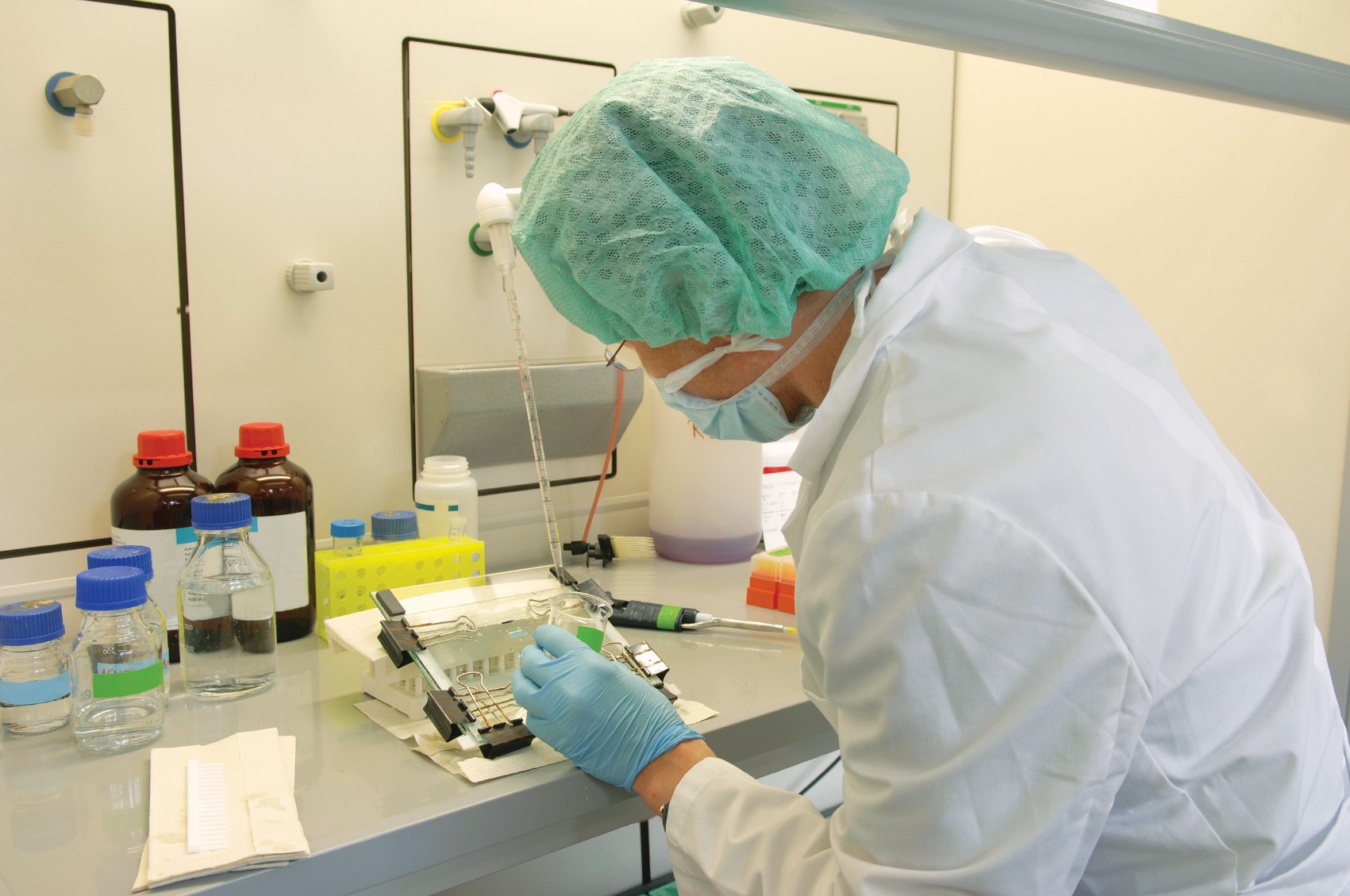
Clinical Trials can provide the promise of new and more effective treatment options for those suffering from mesothelioma. These studies are typically focused on evaluating new and/or experimental treatments that doctors believe could be of benefit to patients with complex and hard to treat medical issues. Historically, clinical trials have proven to be of great benefit to many cancer patients.
The Food and Drug Administration (FDA) requires that a clinical trial complete three phases before any approval for the treatment can be granted.
Phase I Trial – Evaluates Safety
A Phase I clinical trial studies the best way to administer a new type of treatment and, if the study involves a new drug, how much can be given safely. In this phase, doctors monitor patients closely to see if they experience any harmful side effects. If determined to be "safe", the study of the new treatment will enter Phase II.
Phase II Trial – Evaluates Effectiveness
A Phase II clinical trial measures the effectiveness of a research treatment once it has been deemed safe in Phase I. The cancer sites in participating patients are closely monitored during this phase to evaluate whether or not the treatment has had any effect on these sites compared to what was present at the outset of the trial. Side effects are also monitored and evaluated. If the treatment is found to be effective in the smaller Phase II populations, the trial will go to Phase III.
Clinical trials are experimental protocols to test new medications, new combinations of medications, or new doses of medications in a scientifically rigorous way. Clinical trials are often the best option for someone who has failed an initial course of therapy and wants to contribute to scientific knowledge regardless of the results.
Medical Advisor
Phase III Trial – Evaluates Safety and Effectiveness in Large Populations
Phase III trials evaluate the safety and effectiveness of a research treatment or drug on large numbers of patients. Often, Phase III trials can involves thousands of participants. In this phase, different groups are established. A clinical trial that is evaluating a new chemotherapy drug, for example, will establish one group called the control group. This group receives chemotherapy treatment that has already been tested and approved. Other groups are also established that receive a different type of treatment that may or may not contain the investigational chemotherapy drug. The purpose of this phase is to evaluate the effect that the new drug has on survival rate as compared to traditional drugs and to monitor side effects and other safety issues that may come up in the study. If the side effects are too severe, treatment is discontinued.
Researchers conduct studies of new treatments to answer the following questions:
- Will this new treatment be of benefit to patients?
- Is this new type of treatment effective?
- Is it more effective than other treatments already available?
- What are the side effects associated with this treatment?
- Considering side effects, do the benefits outweigh the risks?
- For which patients will this treatment be most helpful?
Participation in a clinical trial does involve some risk. Those involved do not know in advance whether the treatment will work or what the side effects will be. That is what the study is designed to discover. Although the majority of side effects will not be life-threatening, some can be. Bear in mind, however, that even approved treatments have side effects. Your doctor can help determine whether participation in a clinical trial is right for you.
If it is determined that participating in a clinical trial would be beneficial to you, your doctor will explain the study in detail and ask for your informed consent. You are never obligated to continue with a study, however. If, after providing your signed consent, you decide to leave the study you are free to do so at any point and for any reason. Taking part in the study does not prevent you from getting other medical care you may need.
Your cancer care team can provide you with more information about participating in a clinical trial. Some of the questions to consider are:
- What treatment or drug is this study evaluating?
- Are there specific kinds of tests and treatments that will be involved?
- What is the purpose of this treatment?
- If I do, or do not participate in this study, what is likely to happen to me?
- Do I have other options and what are their advantages and disadvantages?
- Will my daily life be impacted?
- What are the expected side effects? Can they be controlled?
- Will my participation involve hospitalization? If so, how often and for how long?
- Is there any cost associated with the study or the treatment?
- What treatment am I entitled to If I am harmed as a result of the research?
- Does the study require any long-term follow-up care?
- Has the treatment been used to treat other types of cancers?
Active Clinical Trials
ClinicalTrials.Gov - A Service of the U.S. National Institutes of Health
ClinicalTrials.gov provides a wealth of information about federally and privately sponsored clinical trials that are currently being conducted in the United States and 173 other countries around the world. The site was created by the U.S. National Institutes of Health in collaboration with all NIH Institutes and the Food and Drug Administration following the Food and Drug Administration Modernization Act of 1997.
ClinicalTrials.gov provides clinical trial information for a wide range of diseases including mesothelioma. The site provides comprehensive data on each trial's objective, whether or not it is recruiting participants, progress updates, locations, contact information and more.

Request a Free Case Evaluation
Request a free case evaluation now if you or someone you love has been diagnosed with mesothelioma. The evaluation will cost you nothing. Our lawyers will travel to visit you at your convenience or conference call with you over the phone. We understand how difficult a time this is for you and will assist in any way that we can. You can also call us toll-free at 800-336-0086 at any time.

Dr. F. Perry Wilson is a board-certified physician. He serves as Associate Professor of Medicine at the Yale University School of Medicine and is the Interim Director at the Yale Program of Applied Translational Research. Dr. Wilson is a contributor on the Elslaw.com editorial team and is responsible for ensuring that all medical content is accurate.
Learn
More


 Please Answer 3 Quick Questions to