
Electricians and Mesothelioma


Many electricians spent years installing, repairing, and maintaining electrical systems in buildings where asbestos was widely used. Much of their daily work involved handling or working near asbestos-containing products like electrical insulation, wiring, panel boards, and the surrounding construction materials.
As a result, occupational asbestos exposure is closely linked to mesothelioma in electricians. If you've been diagnosed with mesothelioma after working as an electrician, you may have legal options to pursue compensation for medical expenses, lost income, and your family's future. This guide explains where electricians encountered asbestos, how that exposure happened, and what steps you can take next.
At a Glance: Electricians and Asbestos Exposure Risk
- Electricians face a higher risk of mesothelioma than the general population,1 especially those who worked before the mid-1980s.
- Common sources of asbestos exposure included electrical insulation, wiring insulation, panel boards, arc chutes, cement wallboard, and nearby pipe insulation in mechanical rooms.
- Family members may also develop mesothelioma through secondhand exposure when asbestos fibers traveled home on an electrician's clothing, shoes, or tools.
- If you worked as an electrician and have been diagnosed with mesothelioma, you may qualify for various types of compensation, including lawsuits and asbestos trust funds.
- An experienced mesothelioma law firm like Early, Lucarelli, Sweeney, and Meisenkothen (ELSM) can identify the asbestos products responsible for your illness and help you explore your legal options.
How Electricians Were Exposed to Asbestos
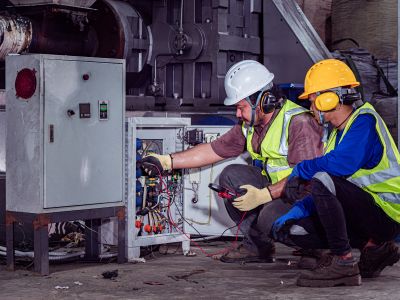
Electricians often worked around asbestos-containing materials, especially before the mid-1980s when asbestos use was common. Manufacturers added asbestos to many electrical products and building materials due to its heat resistance and durability. Electricians often disturbed these products during their work, breathing in asbestos fibers. Decades later, that exposure can lead to asbestos-related diseases, including mesothelioma.
A 2009 study published in the British Journal of Cancer found that mesothelioma in electricians is significantly more common than the general population.1 Another study from 2018 stated that electricians are almost 16 times more likely to develop mesothelioma than the general population.2
Electricians could release asbestos fibers into the air and inhale or swallow them while performing routine tasks like:
- Installing or replacing electrical insulation around wiring and equipment.
- Working on panel boards, switchgear, and fuse boxes that contained asbestos components.
- Repairing electrical equipment with asbestos arc chutes designed to withstand high temperatures.
- Pulling or replacing wiring covered with asbestos insulation.
- Cutting through cement wallboard, ceiling panels, or other asbestos-containing building materials to run conduit or install wiring.
- Working in mechanical rooms, boiler rooms, and industrial facilities with asbestos pipe insulation.
Secondhand Exposure
Electricians weren't the only ones affected by asbestos exposure. Families could also face risks: tiny asbestos fibers can cling to work clothes and hair during the workday. When electricians return home, spouses, children, or other family members can be exposed to these fibers through direct contact or laundering dusty work clothes. This type of secondary asbestos exposure has caused mesothelioma in people who never handled asbestos themselves.

A complete guide delivered next day to your doorstep. Treatment Information, top doctors & cancer centers, financial assistance and more.
Asbestos Products Used by Electricians
On construction sites, in factories, power plants, shipyards, and commercial buildings, electricians and asbestos often went hand in hand. Electricians with mesothelioma may have worked with or around many different asbestos products while installing, maintaining, or repairing electrical systems.
Electrical Equipment
Electricians frequently handled electrical components that contained asbestos, including:
- Arc chutes used in circuit breakers and switchgear
- Electrical insulation around wiring and cables
- Electrical panel boards and fuse boxes
- Electrical tape and insulating cloth
- Switchgear and electrical control panels
- Wiring insulation and braided electrical wire
Building Materials
Electricians also disturbed asbestos-containing construction materials while running conduit, installing outlets, and completing electrical upgrades. Common products included:
- Adhesives and sealants
- Ceiling tiles
- Cement wallboard and cement panels
- Drywall
- Fireproofing materials
- Joint compound
Mechanical and Industrial Equipment
Many electricians with mesothelioma worked in mechanical rooms, boiler rooms, factories, and power plants where asbestos surrounded electrical systems. Even if you didn't install asbestos products yourself, you may have worked close to materials that released fibers into the air, including:
- Boiler insulation
- Heating units and furnaces
- Pipe insulation
- Pumps and valves
- Steam pipes and duct insulation
- Thermal insulation wraps
For every recessed fixture, we had to use asbestos wire. This was in the National Electrical Code Book at the time, and we carried rolls of asbestos wire on our trucks at all times. I would cut and strip this wire constantly. In one room alone, you might have 60 recessed lights. While I’m running this wire, generally speaking, carpenters, plumbers, tin knockers would all be there, drilling and putting the pipes and other stuff in. All of our work created a lot of dust.Electrician,
Recalling work at residential and commercial jobsites, 1959-1978
Mesothelioma Compensation for Electricians
If you developed mesothelioma after working as an electrician, you may have legal options to recover compensation from the companies responsible for your asbestos exposure. These funds can help cover medical treatment, lost income, and travel expenses, and provide financial security for your family.
Depending on your work history and where your exposure occurred, you may qualify for:
- Asbestos trust fund claims
- Mesothelioma lawsuits
- Workers' compensation
Asbestos Trust Funds
Many manufacturers of asbestos-containing products later filed for bankruptcy and created mesothelioma trust funds to compensate people harmed by their products. If you worked with asbestos-containing wiring insulation, electrical equipment, or other materials, you may qualify to file one or more trust fund claims. Attorneys at ELSM can identify the products connected to your work history, determine which trust funds apply to your case, and handle the filing process.
Asbestos Lawsuits and Settlements
If the company or companies responsible for your exposure are still in business, you may have the right to file a mesothelioma lawsuit. Lawsuits typically result in settlements, which can help pay for treatment, replace lost income, provide financial support for your loved ones, and hold negligent manufacturers accountable.
ELSM has spent more than 40 years representing people with mesothelioma and has recovered billions of dollars for clients. In fact, one of our largest settlements was for an electrician with mesothelioma in Nevada, who received $13.8 million. Our attorneys investigate your work history, identify the asbestos products you encountered, and pursue every available source of compensation on your behalf.
Workers’ Compensation
If you developed mesothelioma after asbestos exposure on the job, you may qualify for workers' compensation for mesothelioma through your state's program. These benefits can help pay for medical care and replace part of your lost wages. Because each state has different rules and filing deadlines, an experienced mesothelioma lawyer can help you understand your options and determine whether other sources of compensation may also apply.
Mesothelioma Lawyers for Electricians
If you've been diagnosed with mesothelioma after working as an electrician, you don't have to figure out the legal process on your own. At ELSM, we’re familiar with mesothelioma in electricians, including the products, job sites, and work practices that could have exposed you to asbestos.
That knowledge can make a real difference when filing a mesothelioma claim and pursuing the compensation your family deserves. Our attorneys investigate your work history, identify the companies responsible for your exposure, and pursue every available source of compensation, while you focus on your health and your loved ones.
Contact ELSM today for a free case evaluation.
Frequently Asked Questions
Does electrical wiring have asbestos?
Some older electrical wiring contained asbestos insulation because it resisted heat and fire. Manufacturers also used asbestos in braided wire insulation, electrical tape, panel boards, and other electrical components. Electricians who installed, repaired, or removed these products before the mid-1980s faced the greatest risk of exposure.
What causes mesothelioma in electricians?
Mesothelioma develops after asbestos fibers are inhaled or swallowed. Electricians’ asbestos exposure could have occurred while working with electrical insulation, arc chutes, panel boards, wiring insulation, cement wallboard, and pipe insulation in mechanical rooms. The disease usually develops decades after the original exposure, but an experienced lawyer can help you pinpoint the cause.
Are electricians at risk for asbestos exposure?
Electricians who worked before the mid-1980s face a higher risk of asbestos exposure compared to the general population1,2 because asbestos-containing electrical products and building materials were widely used at that time. While modern safety regulations have reduced the risk, electricians can still encounter asbestos during renovation, maintenance, or demolition work in older buildings. Always hire trained professionals to handle these materials safely.

Request a Free Case Evaluation
Request a free case evaluation now if you or someone you love has been diagnosed with mesothelioma. The evaluation will cost you nothing. Our lawyers will travel to visit you at your convenience or conference call with you over the phone. We understand how difficult a time this is for you and will assist in any way that we can. You can also call us toll-free at 800-336-0086 at any time.
Sources
Rake, C., Gilham, C. et al. Br J Cancer. April 2009, 100(7):1175-83. doi: 10.1038/sj.bjc.6604879.
Gilham, C., Rake, C., et al. International Journal of Epidemiology. Dec 2018, 47(6):1745-56. doi: 10.1093/ije/dyx276.
Kyle helps mesothelioma victims with asbestos litigation matters. He specializes in asbestos bankruptcy claims and arbitration and is accredited by the U.S. Department of Veterans Affairs to help veterans pursue VA claims.
Learn
More


 Please Answer 3 Quick Questions to