
Mesothelioma Life Expectancy: What Patients Should Know


Mesothelioma life expectancy can vary from patient to patient. Factors like diagnosis type, stage of disease, and response to treatment shape each person's individual journey. Life expectancy is often measured in months or years after diagnosis, but no single timeline applies to everyone.
On average, mesothelioma patients who receive treatment live 18-31 months after diagnosis. Understanding the factors that affect life expectancy can help patients and families make informed decisions and prepare for the future with greater clarity.
Mesothelioma Life Expectancy At a Glance
- After diagnosis, average life expectancy with treatment is 18-31 months.
- Without treatment, average mesothelioma life expectancy is 4 -12 months.
- Early diagnosis often provides more treatment options and may improve outcomes.
- Type, stage, cell type, age, and overall health all influence life expectancy.
- Life expectancy statistics are only estimates and cannot predict an individual patient's outcome.
What Is the Average Life Expectancy for Mesothelioma?
“Life expectancy” is the term used to described how long after diagnosis a patient may be likely to live. In the case of mesothelioma, an asbestos-related cancer, average life expectancy ranges from 18-31 months after diagnosis depending on factors such as treatment and the patient’s overall health.
As medicine continues to advance, more mesothelioma patients are now surviving for longer periods of time, with some patients living years beyond predicted life expectancy. Every patient outcome is specific to the individual and the diagnosed disease.
Factors That Can Affect Mesothelioma Life Expectancy
After a mesothelioma diagnosis, life expectancy depends on several factors unique to each patient. The type and stage of the cancer, mesothelioma cell type, age, sex, overall health, and the treatment plan can all influence prognosis. For some patients, multimodal approaches that combine surgery, chemotherapy, immunotherapy, or radiation can help improve both quality of life and survival.
Some of the factors that impact mesothelioma life expectancy include:
- Age
- Cell type
- Concurrent illnesses
- Gender
- Genetics
- Lifestyle
- Nutrition
- Overall health
- Stage at diagnosis
- Tumor location
- Treatment
Type of Mesothelioma
The type of mesothelioma diagnosed can influence life expectancy. The four types of mesothelioma cancer are pleural, peritoneal, pericardial, and testicular. These designations are related to the location of the disease, with pleural mesothelioma occurring in and around the lungs, peritoneal in the abdominal lining, pericardial in the lining of the heart, and testicular mesothelioma occurring in the testes.
Pleural, peritoneal, and pericardial mesothelioma are the most common types, with testicular mesothelioma occurring much more rarely. Because some forms of the asbestos disease respond better to some treatment options than others, mesothelioma life expectancy varies. The following chart offers some type-specific averages:
| Mesothelioma Type | Average Life Expectancy With Treatment |
|---|---|
| Pleural Mesothelioma | 18 months |
| Peritoneal Mesothelioma | 31 months |
| Pericardial Mesothelioma | 6 months |
| Testicular Mesothelioma | 6 years |
The numbers above are just estimates, and every patient’s outcome will be different. A host of factors influence mesothelioma life expectancy, of which disease type is just one.
Stage of Cancer
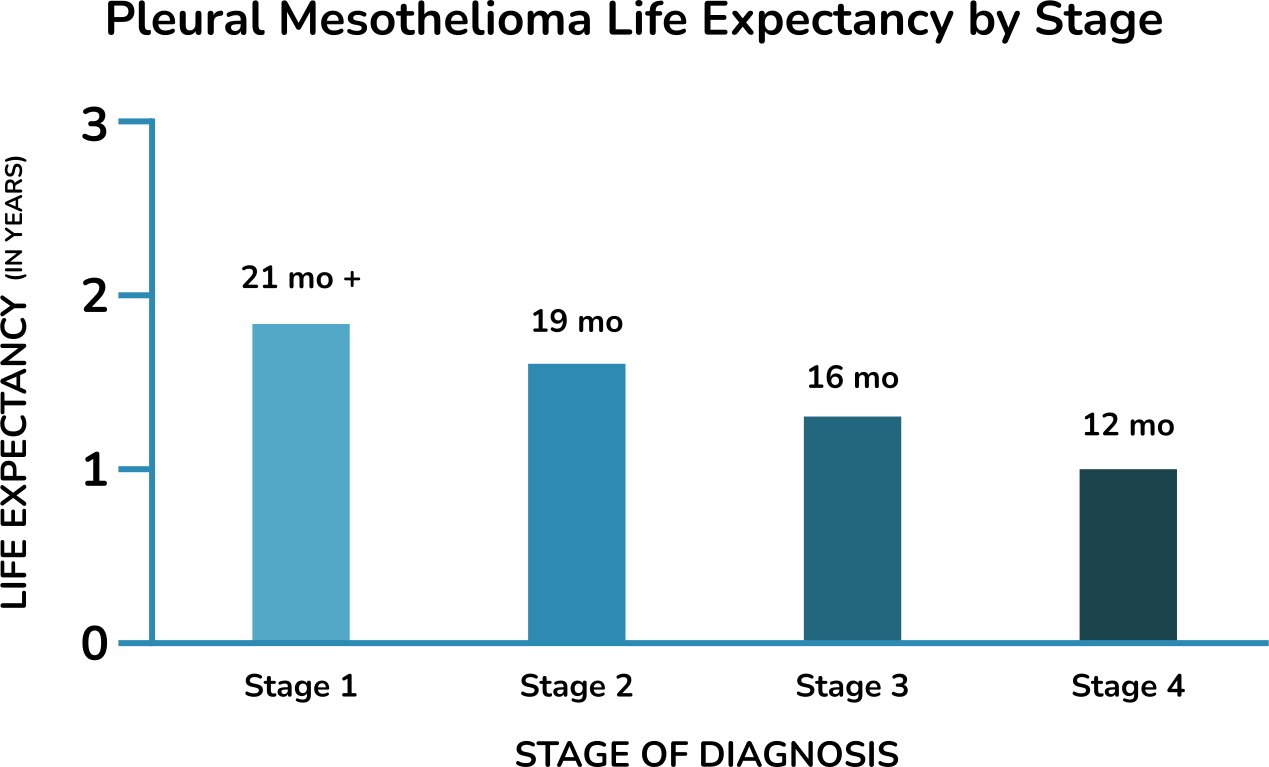
For asbestos cancer, like mesothelioma, life expectancy is closely tied to how far the disease has progressed at the time of diagnosis. Mesothelioma is typically divided into four stages that describe how far the cancer has spread.
| Stage | What It Means | Impact on Life Expectancy |
|---|---|---|
| Stage 1 | Cancer is localized | Best life expectancy; most treatment options |
| Stage 2 | Spread to nearby tissue or lymph nodes | Moderate impact on life expectancy; still treatable |
| Stage 3 | More extensive spread in chest or abdomen | Reduced life expectancy; limited treatment options |
| Stage 4 | Spread to distant organs/areas of the body | Shortest life expectancy; most advanced |
When mesothelioma is diagnosed at an earlier stage, patients may have more treatment options available, which can help improve life expectancy. Early diagnosis may also give doctors more opportunities to slow the disease's progression and help manage symptoms.
Late-stage mesothelioma can be more difficult to treat because it may have spread, limiting available options and affecting life expectancy. Even so, mesothelioma treatment in these later stages can support quality of life, enabling patients to spend meaningful time with their loved ones.
Cell Type
Another key factor in determining life expectancy after a mesothelioma diagnosis is the tumor’s cell type. Mesothelioma tumors are generally classified into three main cell types: epithelioid, sarcomatoid, and biphasic. Each type behaves differently, which can influence how quickly the cancer spreads and how well it responds to treatment.
| Cell Type | Key Characteristics | General Prognosis |
|---|---|---|
| Epithelioid | Most common (~60%); slow-growing and more responsive to treatment | Most favorable life expectancy; often longer survival compared to other types |
| Biphasic | ~20–30%; contains both epithelioid and sarcomatoid cells | Variable life expectancy depending on dominant cell type |
| Sarcomatoid | Less common (~7–20%); fast-growing and more resistant to treatment | Typically shorter life expectancy compared to other types, most aggressive form |
Regardless of cell type, mesothelioma treatment options can play an important role in improving outcomes and may help extend life expectancy compared to no treatment.
Age, Gender, and Overall Health
In addition to the type of mesothelioma diagnosed, the stage of cancer, and the type of tumor cells identified, there are a number of other factors that impact life expectancy for individuals with mesothelioma. These include:
- Age
- Concurrent illnesses
- Gender
- Genetics
- Lifestyle
- Nutrition
- Overall health
Each of these can affect predictions about the likelihood of survival beyond stated averages. Those who are younger at the time of diagnosis (under age 50) typically have the longest life expectancy and highest survival rates 1 year beyond diagnosis (approximately 75%). Gender and lifestyle are also relevant, with women often living longer than men diagnosed with the disease, and those who are generally healthy usually faring better than those who have also been diagnosed with other illnesses.
Treatment
Decisions about treatment are among the most important factors in determining mesothelioma life expectancy once it has been diagnosed. Today, doctors have a dedicated framework of mesothelioma treatment options available to help combat the disease. These treatments aim to both extend life while also improving daily comfort and quality of life for patients. Therapeutic options include:
- Surgery: Removes as much of the tumor as safely possible.
- Chemotherapy: Medications that kill cancer cells and help shrink tumors.
- Radiation: High-energy beams used to destroy cancer’s DNA and slow tumor growth.
- Immunotherapy: A newer approach that helps the body’s own immune system recognize and fight cancer cells.
Often, the most effective strategy is a multimodal treatment plan. This simply means combining two or more of these options to specifically meet an individual patient’s needs. By attacking the cancer from multiple angles, a multimodal approach may offer the best chance for mesothelioma patients to extend life expectancy.


How to Improve Mesothelioma Life Expectancy
Receiving a mesothelioma diagnosis can be overwhelming, and reading about life expectancy statistics is never easy. Keep in mind that statistics are historical data, not a personal prediction. These numbers reflect past cases. They do not account for today's newer therapies, advanced specialized medical care, or individual health differences. Remember: every patient's situation is unique.
To improve life expectancy once a mesothelioma diagnosis has been made, it is essential to focus on practical steps. These include:
- Finding a Mesothelioma Specialist: Standard oncologists often lack the specific expertise that will be needed. Seek a specialist who knows the latest treatment protocols and clinical trials.
- Managing Nutrition: Consult an oncology dietitian to build a plan that helps maintain strength, supports the immune system, and helps mitigate treatment side effects.
- Staying Physically Active: Incorporate regular, tailored exercise, with a doctor’s supervision. Even light activity, like walking, can help combat cancer-related fatigue, maintain lung function, and boost mood.
- Incorporating Palliative Care Early: This is not end-of-life care; it is symptom management. Bringing in a palliative team early can help control pain and maintain overall quality of life.
- Establishing a Support System: Family, friends, and patient advocacy groups can help manage the logistical and emotional load on the road ahead.
How ELSM Law Supports You
A mesothelioma diagnosis can leave patients and families facing difficult medical, financial, and emotional challenges all at once. With decades of experience handling asbestos-related cases, Early, Lucarelli, Sweeney & Meisenkothen (ELSM) lawyers understand what families are going through and work closely with clients at every stage of the legal process. From investigating exposure history to pursuing compensation for medical bills and other expenses, ELSM Law manages the details so you can focus on treatment and time with loved ones.
Frequently Asked Questions
Can treatment extend mesothelioma life expectancy?
Yes, treatment is known to increase life expectancy in mesothelioma patients. In some cases, patients who undergo treatment can expect to live more than four times as long as they would if they had no treatment at all.
Does early diagnosis improve mesothelioma life expectancy?
Yes. Catching the disease early can lead to better outcomes. The earlier a patient is diagnosed and treated, the better that patient’s prognosis tends to be.
Are survival rates the same as life expectancy?
No. Life expectancy describes the number of months or years a patient is expected to live post-diagnosis. Survival rates describe the percentage of patients who are still living a number of years after being diagnosed with the disease. Survival rates are typically measured at 1-, 3-, and 5-year markers.

Request a Free Case Evaluation
Request a free case evaluation now if you or someone you love has been diagnosed with mesothelioma. The evaluation will cost you nothing. Our lawyers will travel to visit you at your convenience or conference call with you over the phone. We understand how difficult a time this is for you and will assist in any way that we can. You can also call us toll-free at 800-336-0086 at any time.

Dr. F. Perry Wilson is a board-certified physician. He serves as Associate Professor of Medicine at the Yale University School of Medicine and is the Interim Director at the Yale Program of Applied Translational Research. Dr. Wilson is a contributor on the Elslaw.com editorial team and is responsible for ensuring that all medical content is accurate.
Learn
More


 Please Answer 3 Quick Questions to