
Grand Central Terminal and Mesothelioma


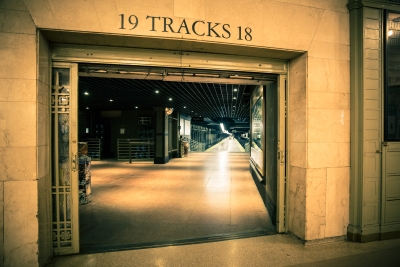
Grand Central Terminal, also called Grand Central Station or simply Grand Central, is one of New York City’s most iconic landmarks. Asbestos was used extensively during its original construction, in later renovations, in maintenance projects, and other incidents such as the 2007 steam pipe explosion.
Workers, commuters, visitors, and others may have been exposed to asbestos while in Grand Central. This exposure has been linked to cases of mesothelioma.
If you or a loved one were exposed to asbestos at Grand Central Station and later diagnosed with mesothelioma, ELSM’s experienced attorneys can help. Our mesothelioma lawyers will explain your legal options and guide you through the process of pursuing compensation.
Occupational Asbestos Exposure at Grand Central Station
Asbestos exposure at Grand Central Station has long put workers, commuters, and nearby residents at risk for serious illnesses, including mesothelioma and other asbestos-related diseases.
During the station’s original construction, asbestos was heavily used by carpenters, electricians, plasterers, and insulators who often worked without protective gear. Over the years, exposure also affected railroad workers, maintenance staff, renovation crews, commuters, visitors, and office workers in surrounding buildings. Routine activities such as installing or repairing insulation, working with electrical panels and wiring, spraying asbestos on beams and ceilings, and conducting maintenance or renovation work disturbed asbestos-containing materials and released dangerous fibers into the air.
Historical Incidents of Asbestos Exposure at Grand Central Terminal:
- 1903: Construction of Grand Central Terminal begins, with widespread use of asbestos.
- 1903–1913: Original construction period. Workers were heavily exposed to asbestos in insulation, plaster, and electrical wiring systems.
- 1924: Underground steam pipe installed (later involved in the 2007 explosion).
- 1980s: Metro-North Railroad crews exposed while removing asbestos pipe insulation during maintenance and renovations.
- 1989: Steam pipe explosion in Gramercy Park spreads asbestos dust into the surrounding air, potentially affecting workers, commuters, and nearby residents.
- 1990s: Major asbestos abatement project carried out at Grand Central.
- 2007: Underground steam pipe explosion near Grand Central releases asbestos, forcing nearby residents to keep windows closed, handle clothing carefully, and temporarily relocate. Commuters, visitors, and workers were also at risk.
Even today, asbestos remains in parts of Grand Central Terminal, and disturbing these areas through repairs, renovations, or accidents can still release dangerous asbestos fibers, which remains a leading cause of mesothelioma decades after exposure.
High-Risk Occupations at Grand Central
Any of the following high-risk occupations at Grand Central could involve asbestos exposure:
- Boiler operators
- Bricklayers
- Construction workers
- Electricians
- Engineers
- HVAC technicians
- Insulators
- Ironworkers
- Laborers
- Maintenance crews
- Painters
- Pipefitters
- Plasterers
- Plumbers
- Railroad workers
- Roofers
- Stationary engineers
- Steelworkers
- Stonemasons
- Track Workers
Secondary Asbestos Exposure
ELSM can also help families affected by secondhand asbestos exposure from Grand Central Station. This type of exposure occurs when asbestos fibers are carried home on a worker’s clothing, shoes, or hair, where loved ones may unknowingly inhale them. People who develop an asbestos-related illness from secondary exposure may also qualify for compensation, just like those directly exposed in the workplace.
Asbestos was all over the place. The huge steampipes were covered with it.Electrician,
Recalling work at Grand Central Terminal, late 1950s
Asbestos Products Used at Grand Central Station
Asbestos was heavily used in the original construction of Grand Central Terminal and continued to be utilized during later repairs and renovations throughout the 1990s, primarily in insulation, electrical systems, and structural materials.
Common Grand Central Station asbestos products include:
- Boiler insulation
- Ceiling panels
- Duct insulation
- Ductwork
- Electrical wiring and panels
- Fireproofing
- Floor tiles
- HVAC insulation
- Mortar and cement
- Paints and protective coatings
- Pipe insulation
- Railroad materials
- Roofing materials
- Steam and hot water pipes
- Steel and iron frameworks
A complete guide delivered next day to your doorstep. Treatment Information, top doctors & cancer centers, financial assistance and more.
Compensation for Grand Central Terminal Workers With Mesothelioma
Grand Central Station mesothelioma victims may have several legal rights and can work with experienced asbestos lawyers to pursue justice and financial support. Individuals may seek compensation by filing lawsuits against employers or companies that failed to provide proper protective equipment, pursuing settlements from responsible parties, or filing claims through established asbestos trust funds, workers’ compensation, or VA benefits.
Compensation from these claims can make a significant difference by helping to:
- Cover the high costs of medical care and ongoing treatment
- Recover lost income due to time away from work
- Provide financial security for loved ones and help manage daily expenses
Asbestos Lawsuits
Filing a lawsuit with the help of a mesothelioma lawyer can provide Grand Central Terminal workers with the opportunity to secure compensation. It also allows them to hold negligent employers and companies accountable for exposing them to asbestos without proper protection.
Beyond financial relief, lawsuits serve a greater purpose by pressuring companies to acknowledge the dangers of asbestos and accept responsibility for their failures to protect workers.
Asbestos Trust Fund Claims
Grand Central Station does not have its own asbestos trust fund. However, past and present employees may still qualify to file claims with trusts that were established by the manufacturers who are liable for supplying asbestos materials to the terminal. Asbestos bankruptcy trusts provide financial compensation to individuals diagnosed with mesothelioma or other asbestos diseases because of their work at Grand Central Terminal. ELSM's attorneys can help determine eligibility for filing a claim against the trust.
The following is a list of bankrupt companies with asbestos trusts that include Grand Central Terminal in Midtown Manhattan, New York, as an approved jobsite.
| Bankrupt Asbestos Company | Asbestos Exposure Start Date | Asbestos Exposure End Date |
|---|---|---|
| Fibreboard Corporation | 12/31/1982 | |
| Keene Corporation | 1/1/1920 | 12/31/1970 |
| W.R. Grace | 1/1/1971 | 12/31/1982 |
Workers’ Compensation
Most asbestos exposure occurs in the workplace. Grand Central Station employees and others who were exposed at the jobsite may be at risk. If you or a loved one developed an asbestos-related disease, you may be eligible for workers’ compensation benefits. An experienced mesothelioma attorney can guide you through your options and help pursue the full compensation you deserve. ELSM’s legal team can help you file workers’ compensation claims for asbestos exposure at Grand Central Station.
Frequently Asked Questions
What are the health risks associated with asbestos exposure at Grand Central station and who is at risk?
The main health risks of asbestos exposure at Grand Central Station are mesothelioma, lung cancer, and asbestosis. These illnesses may develop when asbestos fibers are inhaled. It often takes decades after asbestos exposure for mesothelioma symptoms to appear.
Those at highest risk included tradesmen such as carpenters, electricians, plasterers, and insulators, along with maintenance crew, renovation workers, and Metro-North employees. Although a lesser risk, commuters, visitors, and nearby office staff still faced a significant risk during renovation periods or steam pipe explosions.
Can family members of Grand Central Terminal workers also file claims for mesothelioma?
Yes. In addition to supporting workers who develop mesothelioma, families of deceased victims may be able to pursue wrongful death claims. These claims can provide compensation for medical bills, funeral expenses, lost financial support, and the emotional suffering caused by the loss of a loved one.
Could the steam pipe explosion near Grand Central have put me at risk of asbestos exposure?
Yes. The 2007 steam pipe located near Grand Central Station that exploded was covered in asbestos insulation. When it burst, it released a large cloud of steam and dust into the surrounding area. Anyone nearby such as commuters, office workers, or residents could have inhaled asbestos fibers.

Request a Free Case Evaluation
Request a free case evaluation now if you or someone you love has been diagnosed with mesothelioma. The evaluation will cost you nothing. Our lawyers will travel to visit you at your convenience or conference call with you over the phone. We understand how difficult a time this is for you and will assist in any way that we can. You can also call us toll-free at 800-336-0086 at any time.
Attorney Brian Early is a managing partner at ELSM. For the past 25 years, he has represented more than 500 mesothelioma clients. He dedicates his practice to pursuing justice for people and families affected by asbestos exposure.
Learn
More


 Please Answer 3 Quick Questions to