
Halliburton Asbestos Trust Fund, Exposure & Compensation


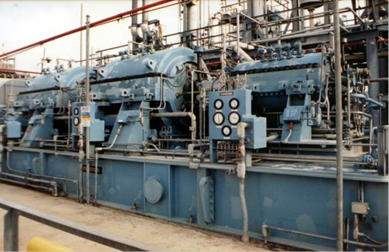
Halliburton, originally founded as an oil well-cementing company, became a world leader in manufacturing products and providing services to oil, gas, and other energy industries.
Through the acquisitions of Harbison-Walker, Dresser Industries, and Kellogg Brown & Root, Halliburton inherited liability for the asbestos lawsuits filed against these companies. To resolve these claims, Halliburton funded an asbestos Trust to compensate victims diagnosed with mesothelioma or other asbestos-related diseases.
If you or a loved one developed mesothelioma or another asbestos-related illness, an asbestos lawyer at Early, Lucarelli, Sweeney & Meisenkothen (ELSM) can help determine your eligibility and file a Halliburton asbestos trust claim.
Halliburton Asbestos Trust At a Glance
- DII Industries, LLC Asbestos PI Trust was created in 2005 to pay eligible asbestos victims through Halliburton and Harbison-Walker claim settlements with funds remaining.
- To file a Halliburton asbestos claim, the victim must have a diagnosis of mesothelioma or other asbestos-related disease and link the exposure to products or worksites associated with Halliburton or its affiliates.
- Halliburton asbestos exposure may have occurred through use of asbestos products commonly found in industrial settings, construction, and the oil and gas industries.
- ELSM Law asbestos lawyers will review your case to determine your eligibility and file your Halliburton asbestos claim on your behalf.
Understanding the DII Industries, LLC Asbestos PI Trust Fund
After Halliburton assumed the asbestos liabilities of its subsidiary companies, Harbison-Walker Refractories Company and Dresser Industries, Inc, the company became responsible for several asbestos lawsuits. In 2002, Harbison-Walker filed for Chapter 11 bankruptcy and a settlement agreement was made with Halliburton to form a $5.1 billion asbestos trust fund. The trust fund was designed to compensate individuals diagnosed with mesothelioma or other asbestos-related diseases.
On January, 20, 2005, the DII Industries, LLC Asbestos PI Trust was officially established to manage claims against Harbison-Walker and Halliburton. The Trust accepts and processes claims for clients who were exposed to asbestos products that the Halliburton company had liability for. The Delaware Claims Processing Facility, LLC continues to handle these Halliburton asbestos claims today.
In 2025, the DII Industries, LLC Asbestos PI Trust:
- Paid 4,646 Halliburton claims.
- Paid approximately $50.64 million in Halliburton claims.
- Reported approximately $4.423 million in settled but unpaid Halliburton and Harbison-Walker claims.
- Reported approximately $1.33 billion in total assets remaining to pay Halliburton and Harbison-Walker claims.
DII Industries, LLC Asbestos PI Trust Payment Percentage
The DII Industries, LLC Asbestos PI Trust will compensate asbestos victims using a payment percentage system, which is intended to ensure funds remain available for future claims.
The current Halliburton asbestos trust payment percentage is 60%. At a payment percentage of 60%, a Halliburton mesothelioma claim filed under the expedited review process can be expected to receive the minimum standard scheduled value payment of $34,320.
Determining Review Process for Halliburton Claims
When filing a Halliburton asbestos trust claim, an experienced asbestos lawyer will review the victim’s exposure history, medical records, and personal information to determine the appropriate filing process to maximize the claimant’s compensation.
Two claim review options are:
- Expedited Review (ER): The trust evaluates the claim to determine if it meets the requirements outlined in the Trust Distribution Procedures and qualifies for the standard value payment percentage.
- Individual Review (IR): The trust will review the claimant’s exposure history, medical records, and other personal details to determine the individual liquidated value of the claim. This may result in higher compensation for some cases. Certain lung cancer diagnoses and secondary exposure claims must go through the IR process.
The asbestos attorneys at Early, Lucarelli, Sweeney & Meisenkothen will review the claimant’s case and will file a mesothelioma claim accurately. Compensation depends on factors such as age, diagnosis, exposure, and the firm’s settlement history. While the trust may take a few months to review the claim, once it’s approved, payments are typically issued to clients within weeks.
Don't wait until it is too late to protect your rights! The evaluation will cost you nothing.

Halliburton’s Role in Asbestos Exposure
The Halliburton Company was founded in 1919 and became the world’s largest products and services provider for the petroleum and energy industries.
Halliburton, under the leadership of CEO Dick Cheney, acquired Dresser Industries in a $7.7 billion deal designed in part to handle the increased volume of asbestos lawsuits that were filed against the company. Dresser had previously merged with Harbison-Walker Refractories, a company with significant asbestos-related liabilities due to its heat-resistant industrial products. By acquiring Dresser, Halliburton inherited these liabilities and became responsible for several asbestos lawsuits filed in the following years. This caused the company to suffer significant financial losses after years of legal battles.
By the early 2000s, the company couldn’t maintain the settlement payouts. The companies filed for bankruptcy and Halliburton funded the asbestos trust as part of the restructuring efforts.
Key events in Halliburton’s asbestos history include:
- 1962: Halliburton acquired the construction and engineering firm, Brown & Root, which was known for the construction of military bases, petrochemical plants, and offshore platforms. The company used asbestos products extensively in their projects. Brown & Root later combined with M.W. Kellogg to form Kellogg Brown & Root (KBR).
- 1998: Halliburton Company acquired Dresser Industries, Inc., and assumed responsibility for the asbestos claims connected to Harbison-Walker Refractories Company and Dresser Industries, Inc.
- 1998-2002: Halliburton became liable for over 300,000 asbestos lawsuits filed against Dresser Industries and Harbison-Walker Refractories Company.
- 2002: Harbison-Walker filed for Chapter 11 bankruptcy. Since the Halliburton Company shared liability, they reached a settlement agreement to avoid ongoing litigation. Halliburton agreed to pay $2.8 billion and approximately 60 million shares in its stock to fund an asbestos trust that would compensate current and future asbestos claims filed against the companies.
- 2005: The DII Industries, LLC Asbestos PI Trust was officially established to handle the asbestos liabilities of the debtors, Halliburton Company and certain of its affiliates, including Harbison-Walker Refractories Company, Dresser Industries, Inc, and Kellogg Brown and Root, Inc.
Halliburton Asbestos Products
Through Halliburton’s acquisition of its subsidiaries, the company became responsible for a wide array of asbestos-containing industrial products that were used in power plants, ships and shipyards, oil refineries, chemical plants, and other construction sites.
Halliburton inherited liability for a variety of asbestos products, including:
- Compressors: Heavy-duty mechanical device used to increase pressure in gas and oil transmission. Asbestos was incorporated into insulation, gaskets, and seals for heat resistance.
- Drilling muds: Fluid that circulates down the drill to lubricate, reduce heat generated by friction, and maintain stability to extend the life of the drilling equipment. The asbestos additive increases the durability of the drilling mud.
- Insulation: Asbestos product that provides heat resistance, fire protection, and durability in high-heat applications.
- Pumps: Contained asbestos components, such as gaskets, packing materials, insulation, seals, and lining. They were commonly used in industrial environments where high heat, pressure, exposure to corrosive chemicals required heat-resistant materials.
- Turbines: Machines that convert fluid energy such as steam, water, gas, or air into mechanical energy to generate electricity or power industrial equipment. They often contained asbestos components used for insulation, sealing, and heat protection.
- Valves: Mechanical devices used to control the flow of liquids or gases through pipes and heating systems. They often contained asbestos components such as gaskets, packing and insulation for heat resistance and sealing properties.
Halliburton became liable for the following asbestos-containing products that were commonly used:
- Baroid Drilling Mud
- Clark Compressors
- Dresser Pumps
- Dresser-Rand Compressors
- Dresser-Rand Steam Turbines
- Galion Cranes
- Galion Road Construction Equipment
- IMCO Drilling Mud
- Ingersoll-Dresser Pumps
- Leroi Compressor
- Magcobar Drilling Mud
- Moore Turbines
- Pacific Steam Turbopumps
- Roots Compressor
- Worthington Compressors
- Worthington Pumps
- Worthington Turbines
- Worthington-Moore Turbines
Who Was Most At-Risk for Asbestos Exposure?
Halliburton’s acquisition of companies that used asbestos in their products put the employees at greater risk of developing different types of mesothelioma and other asbestos-related diseases. Other workers in high-risk occupations experienced asbestos exposure when handling and manipulating these products. Family members of individuals who used asbestos products were also at risk of secondary exposure.
Occupational Exposure
Halliburton employees and various tradesmen were regularly exposed to asbestos products. Despite growing evidence of the health risks associated with asbestos exposure, Halliburton and its subsidiary companies did not properly warn or provide workers with the appropriate equipment and adequate protection.
Occupations at greater risk of Halliburton asbestos exposure include:
- Boilermakers and boiler operators
- Chemical plant workers
- Construction workers
- Electricians
- Engineers
- Factory workers
- Insulators
- Iron workers
- Navy veterans
- Oil Refinery Workers
- Pipefitters
- Power plant workers
- Shipyard workers
- Steel workers
- Welders


Secondary Asbestos Exposure
Individuals who worked directly with asbestos products that Halliburton assumed liability for, may have unknowingly put family members at risk of secondary asbestos exposure when they carried asbestos fibers home on their clothing, shoes, and in their hair. This exposure occurred through close contact or by handling and washing contaminated work clothes.
If you believe your mesothelioma diagnosis is related to secondary exposure, you may be eligible to file a claim through the Halliburton Asbestos Trust.
Understanding Your Legal Right to Compensation
Filing a Halliburton claim with DII Industries, LLC Asbestos PI Trust requires specific documentation that complies with the Trust Distribution Procedures and filing deadlines.
An asbestos lawyer at ELSM will:
- Review your medical records to confirm your Halliburton asbestos claim eligibility.
- Collect your work history to identify approved asbestos exposure sites.
- Connect your job sites to known Halliburton exposure or obtain written testimony confirming asbestos product exposure associated with Halliburton.
- File your claim correctly and completely with the required documentation.
- Monitor claim status and contact the trust administrators to ensure timely processing.
With decades of experience handling asbestos trust claims, ELSM Law knows how to navigate this process to help victims fight for the justice and compensation they deserve. Contact us today for a free case evaluation.
Frequently Asked Questions
How do I file a Halliburton claim through the DII Industries, LLC Asbestos PI Trust?
An ELSM asbestos attorney will evaluate your case and assist you through the mesothelioma claim process. They will prepare and submit the completed Halliburton claim form to the Trust along with all required documentation.
Can a family member file a Halliburton Asbestos claim?
Yes, family members can file mesothelioma claims after death on behalf of a loved one. Additionally, those who developed mesothelioma or lung cancer from secondary asbestos exposure may qualify to file a Halliburton claim.
How much compensation can I receive through the Halliburton Asbestos Trust?
An ELSM Law asbestos lawyer will review your case to determine the appropriate review process to select when filing a Halliburton asbestos claim. A mesothelioma claim could receive a Halliburton asbestos settlement between $34,320 and $153,600 based on the current DII Industries, LLC Asbestos PI Trust payment percentage.
How long do I have to file a Halliburton claim with the DII Industries, LLC Asbestos PI Trust?
The deadline to file a Halliburton asbestos claim depends on state law. Generally, claims must be filed within 3 years of diagnosis or within 3 years from the Trust’s Claims Acceptance Date. If you filed a lawsuit before the company filed for bankruptcy in 2002, your claim must follow the statute of limitations that applied at the time you filed in the tort system. An experienced asbestos lawyer can help determine the correct statute of limitations and ensure your claim is filed on time.

Request a Free Case Evaluation
Request a free case evaluation now if you or someone you love has been diagnosed with mesothelioma. The evaluation will cost you nothing. Our lawyers will travel to visit you at your convenience or conference call with you over the phone. We understand how difficult a time this is for you and will assist in any way that we can. You can also call us toll-free at 800-336-0086 at any time.
Attorney Early concentrates his work in asbestos bankruptcy matters. He oversees the bankruptcy department, makes bankruptcy court appearances, and addresses other bankruptcy-related issues. Attorney Early is a licensed attorney in New York, Connecticut, the Southern District of New York, and the Eastern District of New York.
Learn
More


 Please Answer 3 Quick Questions to