
Long Island Rail Road Asbestos Exposure & Compensation


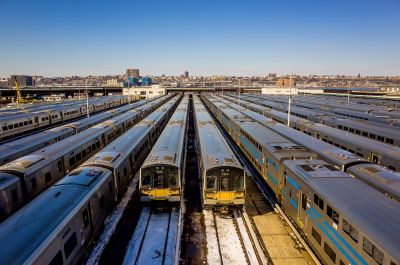
Long Island Rail Road (LIRR), operated by the Metropolitan Transportation Authority (MTA), is one of the oldest railroads in the United States and the busiest commuter railroad in North America. It serves Long Island, New York City, and surrounding communities.
Workers and local contractors at Long Island Rail Road were exposed to asbestos in rail yards, along tracks, and in train stations, shops, and maintenance facilities. This exposure increased their risk of developing mesothelioma.
Railroad workers who develop mesothelioma should speak with a mesothelioma attorney familiar with railroad-related cases and the Federal Employers' Liability Act (FELA). Early, Lucarelli, Sweeney & Meisenkothen (ELSM) has extensive experience representing LIRR workers and their families.
Long Island Rail Road at a Glance
- Long Island Rail Road operates an extensive commuter rail network serving the New York metropolitan area.
- Asbestos-containing materials were used in Long Island Rail Road equipment, facilities, and infrastructure for decades, including locomotives, boilers, brake systems, electrical equipment, and piping.
- Asbestos surveys conducted at Long Island Rail Road's West Side Yard in 2000 identified asbestos-containing materials in multiple buildings and maintenance facilities.
- Multiple asbestos trust funds recognize Long Island Rail Road as a known asbestos exposure jobsite.
- Current and former Long Island Rail Road employees diagnosed with asbestos-related diseases may be eligible to pursue compensation under the FELA.
Long Island Rail Road Asbestos Exposure
Long Island Rail Road (LIRR), one of the oldest railroads in the United States, serves the New York metropolitan area through the Babylon, Far Rockaway, Hempstead, Long Beach, Montauk, Oyster Bay, Port Jefferson, Port Washington, Ronkonkoma, and West Hempstead branches.
Throughout much of the twentieth century, Long Island Rail Road and other railroads relied heavily on asbestos because of its heat resistance, durability, and insulating properties. Asbestos-containing materials were widely used throughout railroad equipment, buildings, and infrastructure, exposing workers and contractors during maintenance, repairs, and other routine tasks. Occupational health studies have documented an increased risk of asbestos-related diseases among railroad workers, particularly those involved in locomotive repair and other skilled trades
Consistent with these industry-wide practices, an Environmental Site Investigation prepared for the Metropolitan Transportation Authority (MTA) and Long Island Rail Road identified asbestos-containing materials at the West and Central Rail Yards. Asbestos surveys conducted in March, April, and June 2000 identified or presumed asbestos-containing materials in:
- NY & AR Maintenance Shop
- West and Central Rail Yard structures
- Ceiling tiles
- Roofing materials
- Sealants and caulking
- Siding
- Waterproofing membranes
- Other building components
Workers involved in maintenance, repairs, renovations, or demolition may have been exposed to these asbestos-containing materials if appropriate safety measures were not in place.
Although railroads phased out most asbestos-containing products by the 1980s, legacy asbestos remained in older railroad buildings and maintenance facilities, where it could pose a hazard if disturbed.

A complete guide delivered next day to your doorstep. Treatment Information, top doctors & cancer centers, financial assistance and more.
High-Risk Occupations at Long Island Rail Road
Many Long Island Rail Road employees and contractors routinely came into contact with asbestos as part of their daily job duties. Occupations with an increased risk of asbestos exposure include:
- Brakemen installed and repaired brakes systems, where grinding or drilling asbestos-containing brake linings could release airborne asbestos fibers.
- Carmen worked on cars in the rail yards and maintenance shops, repairing and replacing asbestos parts through welding and cutting.
- Railroad shop workers serviced locomotives and rail cars, often removing or replacing asbestos-containing parts in poorly ventilated work areas.
- Trackmen often cut and wrapped asbestos rope around rails, then burned it to expand the steel.
- Conductors worked in older train cars where deteriorating asbestos-containing materials could release fibers into the air. They also worked near locomotive equipment and brake systems that historically contained asbestos.
- Yardmasters supervised rail yard operations and may have been exposed to asbestos while working near maintenance, repair, and construction activities.
- Iron workers fabricated and installed steel beams coated with asbestos fireproofing materials. They also used heat-resistant gloves and protective clothing that often contained asbestos.
- Railroad firemen maintained fireboxes insulated with asbestos and regularly handled asbestos rope and other heat-resistant materials.
When we worked in the tunnels, the asbestos insulation would flake off when the trains were passing, and we inhaled that stuff.Trackman at Long Island Rail Road,
Recalling his work in the tunnels, 1972-76
Secondary Asbestos Exposure
Employees and contractors at Long Island Rail Road may have carried asbestos fibers home on their clothing or shoes after working around asbestos-containing materials. Family members who inhaled these fibers could develop mesothelioma or other asbestos-related disease despite never working directly with asbestos. If you or a loved one has been diagnosed with mesothelioma due to secondary asbestos exposure, you may be eligible for compensation.
Asbestos Products Used at Long Island Rail Road
Long Island Rail Road workers and contractors may have been exposed to a variety of asbestos-containing products found throughout railroad operations.
Examples of asbestos-containing products that may have been used at Long Island Rail Road include:
- Asbestos insulation
- Asbestos rope
- Brake linings
- Brake pads
- Ceiling materials
- Cement railroad ties
- Clutch components
- Floor tiles
- Gaskets
- Roofing materials
- Sealants
- Siding
- Stucco
- Wallboard and plaster
- Waterproofing materials
- Window putty and caulking
Compensation for Long Island Rail Road Employees and Contractors Diagnosed with Mesothelioma
ELSM Law has experience representing Long Island Rail Road employees, contractors, and other railroad workers diagnosed with mesothelioma after asbestos exposure. Mesothelioma compensation options may include asbestos trust fund claims, mesothelioma lawsuits, and FELA claims.


Asbestos Trust Funds
Asbestos trust funds were created by bankrupt companies that once manufactured or supplied asbestos-containing products used in rail yards, locomotives, and related railroad work environments. Eligible Long Island Rail Road workers and contractors may be able to file claims with one or more trusts based on their asbestos exposure history.
The bankruptcy trust funds below have been linked to asbestos exposure at Long Island Rail Road jobsites.
| Bankrupt Asbestos Company | Asbestos Exposure Start Date | Asbestos Exposure End Date |
|---|---|---|
| Babcock & Wilcox | 7/1/1900 | 12/31/1982 |
| Combustion Engineering | 1/1/1953 | 12/31/1982 |
| Eagle-Picher Industries |
Asbestos Lawsuits
People diagnosed with mesothelioma may also be eligible to file a lawsuit against the companies responsible for manufacturing or supplying asbestos-containing products. An experienced mesothelioma law firm can identify the sources of exposure, pursue all available claims, and work to maximize compensation while allowing clients to focus on treatment and their families.
Lawsuits involving Long Island Rail Road asbestos exposure are often filed in New York. Most cases require only a deposition about the client’s work history and asbestos exposure. If a trial is necessary, ELSM Law has a long history of obtaining successful verdicts for mesothelioma clients.
Federal Employers Liability Act (FELA) and Railroad Injury Claims
The Federal Employers’ Liability Act, 45 U.S.C. §§ 51–60, allows current and former railroad employees to seek compensation for work-related injuries and illnesses, including mesothelioma and other asbestos-related diseases.
Unlike traditional workers' compensation systems, FELA allows eligible railroad workers to file claims against their employer when negligence contributed to their asbestos exposure.
Former Long Island Rail Road employees may still qualify to file a FELA claim even if they retired years ago or worked for another employer after leaving the railroad.
Common Questions About Asbestos Exposure at Long Island Rail Road
When did Long Island Rail Road stop using asbestos?
Railroads largely stopped using asbestos-containing products in the 1980s. However, some older locomotives, rail cars, maintenance facilities, and railroad buildings continued to contain legacy asbestos. Workers could still be exposed when these materials were repaired, removed, or otherwise disturbed.
Do all Long Island Rail Road workers qualify for compensation?
No. Eligibility depends on several factors, including whether you have been diagnosed with mesothelioma or another asbestos-related disease and whether your illness can be linked to asbestos exposure during your employment. An experienced mesothelioma attorney can review your work history and explain your legal options.
Can retired Long Island Rail Road employees still file a FELA claim?
Yes. Retired and former Long Island Rail Road employees diagnosed with mesothelioma or another asbestos-related disease may still be eligible to file a claim under the Federal Employers' Liability Act (FELA). Eligibility depends on the facts of each case, including when the disease was diagnosed and the worker's history of asbestos exposure.
Can family members develop mesothelioma from Long Island Rail Road asbestos exposure?
Yes. Family members may develop mesothelioma after breathing in asbestos fibers carried home on a worker's clothing or hair. This is known as take-home or secondary asbestos exposure. Depending on the circumstances, family members may also be eligible to pursue legal compensation.
How long does a FELA claim take to resolve?
Every FELA claim is different. Some claims resolve within months, while others take longer if liability is disputed or the case proceeds to trial. Cases where liability is clear and both parties are willing to negotiate often resolve more quickly. In contrast, claims involving disputed liability, complex exposure histories, or contested settlement negotiations may take significantly longer to reach a resolution.
What should I do if I was diagnosed with mesothelioma after working for Long Island Rail Road?
If you've been diagnosed with mesothelioma after working for Long Island Rail Road, an experienced mesothelioma attorney can review your work history, identify potential sources of asbestos exposure, and determine whether you may be eligible to pursue compensation. Depending on your circumstances, this may include asbestos trust fund claims, a mesothelioma lawsuit, or a claim under the Federal Employers' Liability Act (FELA).

Request a Free Case Evaluation
Request a free case evaluation now if you or someone you love has been diagnosed with mesothelioma. The evaluation will cost you nothing. Our lawyers will travel to visit you at your convenience or conference call with you over the phone. We understand how difficult a time this is for you and will assist in any way that we can. You can also call us toll-free at 800-336-0086 at any time.
Attorney Mark Bibro is a partner at ELSM. He has litigated more than 500 mesothelioma and asbestos-related cases, including claims against new asbestos defendants, helping clients and families recover hundreds of millions of dollars in compensation.
Learn
More


 Please Answer 3 Quick Questions to