
Yale University Asbestos Exposure & Compensation


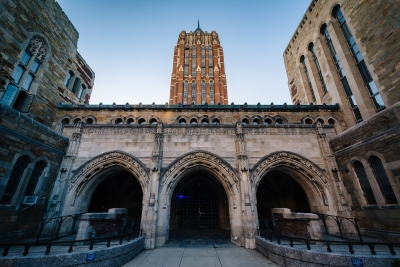
Yale University, one of the world’s leading educational institutions, is known to have used asbestos in the construction of its campus buildings for many years. Asbestos-containing materials like spray-on ceiling insulation, floor tile adhesives, and boiler insulation were commonly used in the construction of Yale’s buildings and renovation projects. Asbestos exposure at Yale University put tradesmen, employees, students, and visitors at risk of developing asbestos-related cancers like mesothelioma.
If you or a family member experienced asbestos exposure at Yale University and later developed mesothelioma, you may be entitled to compensation. The mesothelioma lawyers at Early, Lucarelli, Sweeney & Meisenkothen (ELSM) have more than four decades of experience working with cancer patients and their families.
Yale University at a Glance
- Yale University is located in New Haven, CT. Founded in 1701, it is considered one of the most prestigious universities in the United States, and the world.
- Asbestos was commonly used in the construction of Yale’s campus buildings, including libraries and laboratories, until the 1980s.
- At least 8 asbestos bankruptcy trust funds, established to compensate mesothelioma victims, recognize multiple buildings on the Yale University campus as known asbestos exposure jobsites.
- Working with an experienced asbestos law firm can help determine if you are eligible for compensation from Yale University due to asbestos exposure.
Asbestos Exposure at Yale University
Throughout the 20th Century, asbestos and other asbestos-containing materials (ACMs) were used in numerous building projects at Yale University. These cancer-causing materials were frequently used through the 1970s, due to their ability to provide reliable insulation, durability, and fire protection to construction projects. ACMs are known to have been widely present in the construction of ceilings, plaster walls, flooring, roofing, and pipe insulation in Yale University buildings for decades.
Some of the most prominent historical locations of asbestos on Yale’s campus include:
- Saybrook College: After a flood damaged this Yale residential college in 2015, asbestos was discovered in the adhesive used to install the dining room’s flooring, after the original floor had been pulled up.
- Hall of Graduate Studies: Prior to a major renovation in 2013, asbestos was discovered in the basement and custodial work area of this building, a central hub for graduate teaching and learning at Yale.
- Linsley-Chittenden Hall: In 2011, 500 tons of asbestos-containing material were removed from Linsley-Chittenden Hall, a historic academic building on Yale’s Old Campus. Pipe insulation, flooring and wall plaster were all removal targets, in a building that sees high, daily traffic from students and employees alike.
- Yale University Art and Architecture Building: Completed in 1963, the ceiling of this 118,000 square foot building featured a spray-on combination of fibrous glass and asbestos, which began to degrade and contaminate the interior environment. In 1974, a 21-day abatement process removed 92 tons of asbestos-contaminated material from the building.
In addition to the locations mentioned above, numerous other buildings are confirmed asbestos-exposure sites on the Yale University campus, including but not limited to:
- Yale University, Athletic Office
- Yale University, Bingham Hall
- Yale University, Elm & College Quadrangle
- Yale University, Harkness Memorial Quadrangle
- Yale University, Sterling Power Plant
- Yale University, Wheelock Quadrangle
Yale University acknowledges that many of the more than 400 buildings that make up its campus continue to harbor asbestos-containing materials to this day.
There was asbestos in a lot of the buildings. We used to paint the pipes that were covered in asbestos. Painter
Recalling work at various Yale University buildings on campus, 1960s-1970s
High-Risk Occupations at Yale University
A wide variety of occupations at Yale University could involve a high-risk of asbestos exposure. They include, but are not limited to:
- Boiler operators
- Carpenters
- Construction workers
- Custodial workers
- Electricians
- HVAC technicians
- Insulators
- Lab technicians
- Laborers
- Library staff
- Maintenance workers
- Painters
- Pipefitters
- Plasterers
- Plumbers
- Roofers
ELSM’s mesothelioma lawyers also assist family members of Yale University workers and others who experienced secondhand asbestos exposure. This exposure occurs when asbestos fibers brought home on a worker’s clothing, hair, or shoes are inhaled by loved ones. Even simple acts like hugging or shaking out work clothes before laundering can pose a risk. Secondary exposure can cause mesothelioma and other asbestos-related diseases and may entitle affected family members to compensation.
Asbestos Products Used at Yale University
Asbestos products were utilized in construction and renovation projects at Yale University for the majority of the 20th century. They were most often used in projects that required fireproofing and insulation, including sound insulation in buildings that experienced heavy traffic.
According Yale’s Environmental Health and Safety Department, asbestos has been found in the following products used in a variety of areas across Yale’s campus:
- Acoustic ceiling and wall tile
- Ceiling tile adhesive
- Conduit pipe
- Fireproofing materials
- Fire-rated doors
- Flooring (linoleum; vinyl floor tile)
- Lab equipment (fume hoods, exhaust ducts, and counter tops)
- Roofing felt and mastic
- Siding
- Textured or acoustical surfacing plaster (wall and ceiling)
- Thermal insulation (pipe, boiler, tank, and air duct)
- Window glazing compound and caulking
A complete guide delivered next day to your doorstep. Treatment Information, top doctors & cancer centers, financial assistance and more.
Compensation for Yale University Workers With Mesothelioma
Compensation for individuals and their families who experienced asbestos exposure at Yale University may be available. Securing a financial award can help offset significant medical bills and can provide the security your family may need in the future. It also forces companies to remain accountable for the risks they exposed their workers to.
Compensation may be obtained by filing a lawsuit against an employer, submitting a workers’ compensation claim, or pursuing claims against the companies that manufactured asbestos-containing materials.
Asbestos Trust Fund Claims
Asbestos bankruptcy trusts financially compensate workers and their families who were exposed to asbestos and subsequently developed with mesothelioma. Though Yale University does not have its own asbestos trust, workers exposed to asbestos at Yale University can still file claims with various other funds. These funds were established by the manufacturers of asbestos-containing products that were used by Yale University in its construction and renovation projects.
The following list of bankrupt companies with established asbestos trust funds includes at least one Yale University building as an approved jobsite.
| Bankrupt Asbestos Company | Asbestos Exposure Start Date | Asbestos Exposure End Date |
|---|---|---|
| Burns & Roe | 1/1/1963 | |
| Babcock & Wilcox | 12/31/1982 | |
| Keene Corporation | 1/1/1920 | 12/31/1970 |
| Owens Corning | 12/31/1982 | |
| Pittsburgh Corning | 1/1/1962 | 12/31/1979 |
| United States Gypsum | 1/1/1930 | 12/31/1982 |
| United States Mineral | 4/16/1963 | 12/31/1982 |
| W.R. Grace | 1/1/1977 | 12/31/1982 |
Asbestos Lawsuits
ELSM’s lawyers have represented more than 30 clients in mesothelioma lawsuits and other asbestos-related disease claims linked, at least in part, to asbestos exposure at Yale University buildings. Workers at Yale University who developed mesothelioma and other asbestos-related cancers may be eligible to file a lawsuit.
ELSM has a long history of settling asbestos lawsuits; often, only a deposition detailing work history at sites where asbestos exposure occurred is necessary. Because most states have strict statutes of limitations for asbestos lawsuits, it is important to file a lawsuit promptly.
Workers’ Compensation
Many of the individuals exposed to asbestos at Yale University were workers doing their jobs. Workers’ compensation is designed to support those who developed mesothelioma and other illnesses in a workplace setting. ELSM’s lawyers will guide clients through the process of filing workers’ compensation for full compensation.
Common Questions About Asbestos Exposure at Yale University
What are the health risks associated with asbestos exposure at Yale University?
Mesothelioma, asbestosis and asbestos-related lung cancer are the most common health risks for individuals exposed to asbestos at Yale University. Inhaling disturbed asbestos fibers, as may have happened when ceiling treatments containing asbestos disintegrated in the Art and Architecture Library, puts people at heightened risk for developing diseases like mesothelioma. It can take decades after initial exposure for symptoms to arise.
Can family members of Yale University workers also file claims for mesothelioma?
Yes. If you are the loved one of someone who passed away from mesothelioma or lung cancer, you may be able to file a wrongful-death lawsuit. Financial compensation from these lawsuits can provide the support necessary to cover costs like funeral expenses and lingering medical bills, as well as redress the pain and suffering that comes with the death of a loved one.
If I frequently visited a building with known asbestos exposure at Yale University, could I be at risk?
You could be. Any level of asbestos exposure may be dangerous. Certain places on Yale’s campus, like the Art & Architecture Library, is known to have exposed occupants to levels of asbestos. Anyone who inhaled those fibers before the building was remediated, including library workers, faculty, students and casual visitors, could be at risk.

Request a Free Case Evaluation
Request a free case evaluation now if you or someone you love has been diagnosed with mesothelioma. The evaluation will cost you nothing. Our lawyers will travel to visit you at your convenience or conference call with you over the phone. We understand how difficult a time this is for you and will assist in any way that we can. You can also call us toll-free at 800-336-0086 at any time.
Attorney Meisenkothen is a member of several professional organizations, including the Connecticut Trial Lawyers Association, the American Association for Justice, the American Bar Association, and the Connecticut Bar Association.
Learn
More


 Please Answer 3 Quick Questions to