
Mesothelioma and Machinists


Asbestos is a mineral that was used extensively in American industry until the late 1970s due to its fire-resistant qualities, versatility, and durability. Machinists frequently worked with materials and machine parts that contained asbestos. Machinists would grind and cut asbestos-containing machine parts, causing them to inhale asbestos fibers which, over time, could lead to asbestos cancers, including mesothelioma.
Mesothelioma among machinists has been linked to years of occupational asbestos exposure. If you or a loved one have been diagnosed with mesothelioma, you may be entitled to financial compensation.
At a Glance: Asbestos and Machinists
- During the industrial boom of the 20th century, millions of Americans were exposed to asbestos fibers while working in factories and across industries that relied on machinists to keep complex machinery running.
- Asbestos found in gaskets, insulation, clutch components, and friction materials posed a unique risk to machinists as they often cut or grind down these parts while repairing and setting up machines.
- Occupational exposure to asbestos among machinists has been linked to a higher rate of asbestos cancers, including lung cancer and mesothelioma.
- Early, Lucarelli, Sweeney & Meisenkothen (ELSM) has helped hundreds of machinists with mesothelioma pursue the financial compensation they deserve.
How Machinists Were Exposed to Asbestos
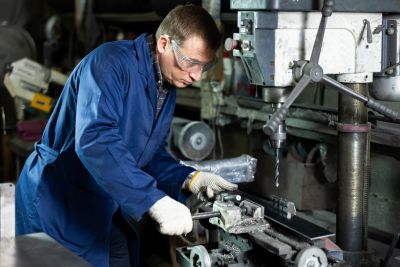
Machinists played a major role in America’s industrial and manufacturing growth throughout the 20th century. They worked with complex equipment like lathes, milling machines, grinders, pumps, and engines in industries such as shipbuilding, construction, and general manufacturing.
In many of these settings, machinists came into regular contact with asbestos without realizing it.
Exposure often occurred during routine maintenance and repair work, including:
- Removing insulation from machinery and high-heat equipment
- Repairing or replacing asbestos-containing brakes, clutches, and gaskets
- Sanding or grinding worn asbestos-containing parts during maintenance work
- Working in poorly ventilated engine rooms, factories, or industrial facilities where asbestos fibers could accumulate in the air
Over time, this exposure increased a machinist’s risk of developing asbestos-related diseases, including mesothelioma and lung cancer. Much of this risk is tied to everyday job tasks rather than a single incident.
Types of Machinists Exposed to Asbestos
Prior to the late 1970’s, many industries that employed machinists extensively used asbestos-containing products and materials that posed an elevated risk to various workers. Naval machinists who worked on vessels or in shipyards, along with civilian machinists employed in power plants, steel mills, manufacturing facilities, and the railroad industry, were routinely exposed to asbestos while repairing and maintaining high-temperature machinery that relied on asbestos for heat resistance and fire prevention.
Specific job titles held by machinists in these asbestos-intensive industries included:
- Drill press operator
- Field machinist
- Millwright
- Mold maker
- Precision machinist
- Tool & die maker
Secondhand Exposure
Occupational exposure to asbestos accounts for the majority of asbestos-related cancer cases. Asbestos exposure in machinists often extended beyond the workplace, as workers regularly carried asbestos fibers home on their clothing and hair. Family members were at risk of secondary asbestos exposure and may have developed asbestos diseases, including mesothelioma. The risk was particularly high for individuals who regularly laundered dusty, asbestos-covered work clothing.
Anyone who lived with a machinist exposed to asbestos prior to the 1980s may have been exposed themselves and may be eligible to pursue mesothelioma compensation.

A complete guide delivered next day to your doorstep. Treatment Information, top doctors & cancer centers, financial assistance and more.
Asbestos Products Used by Machinists
Regularly repairing machinery that produced high temperatures put machinists at risk of asbestos exposure. Machinists often replaced small, fragile machine parts that broke or wore down due to constant friction, expelling asbestos fibers into the air.
Common asbestos products found in machinery used by machinists include:
- Electrical wiring
- Friction material
- Gaskets
- Insulation
- Packing material
- Sheet packing
Mesothelioma Compensation for Machinists
If you or a loved one were diagnosed with mesothelioma from asbestos exposure as a machinist, a mesothelioma law firm like Early, Lucarelli, Sweeney & Meisenkothen (ELSM) can help you evaluate your legal and financial recovery options so you can focus on treatment and provide financial stability for your family.
Compensation options may include asbestos trust funds, mesothelioma lawsuits, and workers’ compensation.
Workers’ Compensation
Occupational asbestos exposure accounts for most mesothelioma diagnoses. If you were exposed to asbestos while working as a machinist, you may qualify for workers’ compensation benefits related to mesothelioma. Worker’s compensation benefits for mesothelioma victims may help cover medical expenses, partial wage replacement, and funeral and burial expenses in the event of fatal mesothelioma cases.
Because worker’s compensation laws vary by state, ELSM Law attorneys will evaluate your case and determine whether you are eligible for benefits.
Asbestos Trust Funds
You may qualify to file claims against various asbestos trust funds established to compensate individuals diagnosed with asbestos diseases. These trust funds were created by companies that filed for Chapter 11 bankruptcy protection and can no longer be sued through traditional asbestos litigation.
ELSM has filed thousands of asbestos trust fund claims and seeks the maximum compensation available under applicable trust criteria for your case.
Lawsuits
Our attorneys have worked with mesothelioma victims, including machinists, for more than four decades. With our experience and resources, we can help identify the companies responsible for your asbestos exposure in the machinist industry and pursue claims to hold them accountable for their negligence.
Most mesothelioma lawsuits are resolved through settlements rather than going to trial. For many cases, clients do not need to appear in court. Typically, only a deposition regarding your asbestos exposure is required during the legal process, allowing you and your family to focus on medical treatment and quality of life.
ELSM Law has represented machinists with mesothelioma in asbestos lawsuits. Below are examples of settlements secured on their behalf.
| State | Age | ~ Monies to Date |
|---|---|---|
| New Jersey | 66 | ~$8,800,000 |
| West Virginia | 52 | ~$6,900,000 |
| Louisiana | 72 | ~$4,500,000 |
| South Carolina | 66 | ~$4,100,000 |
| Virginia | 55 | ~$4,000,000 |
| Massachusetts | 53 | ~$3,400,000 |
| Texas | 78 | ~$3,100,000 |
Mesothelioma Lawyers for Machinists
Our attorneys have more than four decades of experience representing machinists with mesothelioma. Many of these individuals were exposed to asbestos while working with industrial equipment, machinery, insulation, pumps, valves, and other asbestos-containing materials. If you or a loved one developed mesothelioma related to asbestos exposure as a machinist, it is important to act quickly to begin filing a mesothelioma claim.
At ELSM Law, our legal team is committed to helping machinists and their families pursue financial compensation as efficiently as possible while minimizing the burden of the legal process. Our mesothelioma lawyers and staff manage every aspect of the claim so clients can devote more time and energy to medical treatment, loved ones, and quality of life.
Frequently Asked Questions
How were machinists exposed to asbestos?
Until the 1980s, machinists commonly worked with asbestos products, including gaskets and packing materials that were cut or scraped out during repairs. This work was often performed in confined spaces alongside other tradesmen using asbestos-containing products like insulation or refractory cement. Machinists were exposed to and inhaled airborne asbestos fibers. Over time, this occupational exposure caused many machinists to develop serious illnesses.
What diseases can machinists get from asbestos exposure?
Mesothelioma among machinists has been well documented in these industrial settings where asbestos exposure was common. Machinists exposed to asbestos may also develop lung cancer and asbestosis, a less lethal but potentially debilitating and progressive pulmonary disease.
Can family members of machinists develop mesothelioma?
Yes. Family members or others who lived with machinists working with asbestos materials may develop mesothelioma. Those who may have participated in laundering a machinist’s dusty work clothing may face an elevated risk. Filing a mesothelioma claim may help eligible individuals pursue financial compensation for their exposure-related illness.

Request a Free Case Evaluation
Request a free case evaluation now if you or someone you love has been diagnosed with mesothelioma. The evaluation will cost you nothing. Our lawyers will travel to visit you at your convenience or conference call with you over the phone. We understand how difficult a time this is for you and will assist in any way that we can. You can also call us toll-free at 800-336-0086 at any time.
Attorney Meisenkothen is a member of several professional organizations, including the Connecticut Trial Lawyers Association, the American Association for Justice, the American Bar Association, and the Connecticut Bar Association.
Learn
More


 Please Answer 3 Quick Questions to