
Can I Sue My Landlord for Asbestos Exposure?


You probably don’t think twice about the materials in the ceiling above your bed or the old floor tiles in the kitchen. But if you’ve lived in an apartment built before the 1980s, there’s a chance asbestos was hiding in those materials — and you wouldn’t even know it.
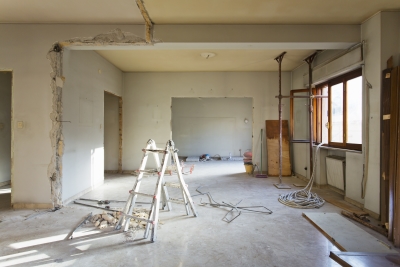 So, can you sue your landlord for asbestos exposure? Maybe, but it depends on the type of case. If you want to file a personal injury claim, you’ll need a diagnosis of mesothelioma or another asbestos-related disease, which usually happens decades after the exposure. However, you may have other options if you were exposed to products containing asbestos.
At a Glance
- You may be able to sue your landlord if your asbestos exposure led to a mesothelioma diagnosis or if your property was damaged.
- Landlords typically must tell you if they’re aware of asbestos on the property and fix any known asbestos hazards, but they aren’t always required to test for it.
- Asbestos may be hidden in old cement pipes, air ducts, floor tiles, linoleum, insulation, drywall, or plaster in buildings built before 1980.
- If your landlord fails to properly handle asbestos, you may be able to sue for breach of contract and be compensated for property damage and abatement costs.
Does My Landlord Have to Tell Me About Asbestos?
If your landlord knows about asbestos that could be disturbed during renovations, federal law requires them to tell you. However, federal law doesn’t require landlords to test for asbestos unless they’re doing renovations that might disturb asbestos-containing materials. State and local laws may vary, but most also don’t require landlords to test for asbestos unless there’s an active health hazard.
On the other hand, landlords have a duty to provide a safe and habitable place to live. If you, as a renter, find asbestos on the premises and the landlord fails to abate it properly, you may be able to file a lawsuit for property damage or remediation costs.

A complete guide delivered next day to your doorstep. Treatment Information, top doctors & cancer centers, financial assistance and more.
What to Do If You Suspect Asbestos in Your Apartment
If you think there’s asbestos in your apartment, don’t touch it or try to clean it up yourself. Take photos, write down what you see, and send a written notice to your landlord. Keep copies of everything in case you need to take legal action later.
Landlords are usually responsible for hiring licensed professionals to inspect and safely handle asbestos. If they refuse to act, you may want to contact your local housing authority, health department, or even a contract attorney to ask, “Can I sue my landlord for asbestos exposure?”
Materials Commonly Containing Asbestos in Apartments
Before the mid-1980s, asbestos was used in a wide range of building materials in apartments and other housing. It’s difficult to tell by sight whether a material contains asbestos, which is why testing is so important. Here are some of the most common places asbestos may be hiding in your unit:
- Cement pipes: Asbestos cement pipes were used for plumbing and drainage systems. They can release harmful fibers if they break down or are disturbed.
- Air ducts: Older HVAC systems may have asbestos in air ducts. There could be duct insulation, tape, or connectors made with asbestos.
- Linoleum: Some old linoleum flooring contained asbestos in the backing or adhesive. Damage from wear and tear or removal can release asbestos in linoleum.
- Floor tiles: Vinyl floor tiles from before the 1980s often contained asbestos. If cracked or chipped, asbestos in floor tiles can pose a health risk.
- Insulation: Pipe insulation, wall insulation, and attic wrap were frequently made with asbestos. Fraying or broken asbestos insulation is especially hazardous.
- Drywall: Some wallboard and joint compound contained asbestos to make it stronger. Scraping, drilling, or sanding asbestos drywall can release fibers.
- Plaster: Plaster used in walls and ceilings may contain asbestos. Asbestos in plaster is especially common in older “lath and plaster” systems.
Asbestos Testing and Abatement
Only a trained professional can test materials and confirm whether they contain asbestos. These professionals collect samples and send them to a lab for testing. You shouldn’t try to collect the samples of asbestos in an apartment yourself, because it could release the fibers into the air.
If asbestos is confirmed and the material is damaged or could be disturbed, you’ll need professional abatement. Abatement means sealing or safely removing the asbestos. This is typically the landlord’s responsibility, especially if the hazard affects your health or safety.
Health Risks of Asbestos
The risk from asbestos in apartments comes when it’s damaged and releases tiny fibers into the air. When inhaled, these fibers can get stuck in your lungs and cause diseases that may not show up until decades later.
Mesothelioma
Mesothelioma is a rare cancer that forms in the lining of the lungs or abdomen. There are several types of mesothelioma, but they are all caused only by exposure to asbestos.
Lung Cancer
Long-term exposure to asbestos can also cause lung cancer. Like mesothelioma, this can take decades to develop after asbestos exposure.
Asbestos-Related Diseases
Other asbestos-related diseases include asbestosis, which causes lung scarring and makes breathing difficult. Pleural disease and other non-cancerous conditions can also develop from inhaling asbestos fibers.


How to File an Asbestos Lawsuit
If you’ve been diagnosed with mesothelioma, you may be able to sue a landlord if you can prove exposure and act before the statute of limitations runs out. You could also sue the manufacturer, but that can be difficult because most asbestos products don’t have labels or identifying marks.
Here’s how to proceed if you’re wondering what steps to take following a diagnosis:
1. Consult With an Attorney
Work with an attorney who focuses on asbestos and mesothelioma cases. They’ll know how to trace your exposure and identify possible sources, even years later. During a free consultation, the attorney will review your diagnosis, ask about your work and living history, and explain what legal options may be available to you.
2. Build Your Case
Your lawyer will collect records, such as your medical diagnosis and employment history. They may also talk to witnesses or bring in experts to support your claim. It’s often challenging to pinpoint which product caused your exposure, but a skilled attorney can help.
3. Pursue Compensation
If you qualify, you may be able to recover mesothelioma compensation through a personal injury lawsuit, an asbestos trust fund claim, or veterans’ benefits. Compensation can help cover medical bills, lost wages, travel costs for treatment, and pain and suffering.
Families may also be able to file wrongful death claims if a loved one passed away from mesothelioma. Your attorney will explain all your options based on your situation.
Legal Help for Mesothelioma Victims
At Early, Lucarelli, Sweeney & Meisenkothen (ELSM), we’ve spent decades helping mesothelioma patients and their families hold asbestos companies accountable. Our attorneys focus exclusively on asbestos cases, and we have the experience to track down where and how you were exposed, even if it happened decades ago.
Contact us today for a free case evaluation. We’re here to help you understand your legal options and fight for the compensation you deserve.
Frequently Asked Questions
Can I sue my landlord for asbestos exposure if I rent?
You may be able to sue if your landlord failed to maintain a safe living space and you were exposed to asbestos. However, unless you have a mesothelioma diagnosis or your belongings were contaminated, most cases are limited to getting the hazard cleaned up.
What should I do if I think there's asbestos in my apartment?
Don’t disturb it. Take photos and report possible asbestos to your landlord in writing. You can also contact your local housing or health department if your landlord doesn’t respond.
Does my landlord have to tell me about asbestos before I move in?
Not always. Landlords are only required to disclose known asbestos hazards during renovations. Many local laws don’t require them to test or disclose unless there’s an immediate risk.
What kind of compensation can I get from a landlord asbestos lawsuit?
You may be able to get money to cover the cost of cleanup or replacing damaged personal items. Unless you’ve been diagnosed with mesothelioma, it’s unlikely you’ll get compensation for personal injury.
How long does the asbestos lawsuit process take?
It depends on your case, but many mesothelioma claims settle within 12 to 18 months. Property damage or tenant lawsuits may move faster or slower, depending on your landlord’s response.

Request a Free Case Evaluation
Request a free case evaluation now if you or someone you love has been diagnosed with mesothelioma. The evaluation will cost you nothing. Our lawyers will travel to visit you at your convenience or conference call with you over the phone. We understand how difficult a time this is for you and will assist in any way that we can. You can also call us toll-free at 800-336-0086 at any time.
Kyle helps mesothelioma victims with asbestos litigation matters. He specializes in asbestos bankruptcy claims and arbitration and is accredited by the U.S. Department of Veterans Affairs to help veterans pursue VA claims.
Learn
More


 Please Answer 3 Quick Questions to