NJ Transit Asbestos Exposure and Compensation


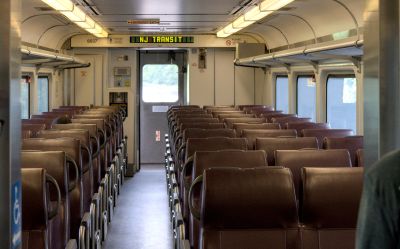
New Jersey Transit Corporation, commonly known as NJ Transit, provides public transportation throughout New Jersey, with connections to New York and Pennsylvania.
NJ Transit employees and contractors may have been exposed to asbestos while repairing older rail cars and equipment or maintaining railroad facilities, including stations and rail yards. Disturbing asbestos-containing materials could release fibers into the air. Inhaling asbestos fibers can cause mesothelioma, a cancer that may develop decades after exposure.
Early, Lucarelli, Sweeney & Meisenkothen (ELSM) has more than 40 years of experience handling mesothelioma cases, including representing railroad workers and their families. If you or a loved one has been diagnosed with mesothelioma after working for NJ Transit or a railroad company that previously operated its lines, our attorneys can explain your legal options.
NJ Transit at a Glance
- NJ Transit took over Conrail’s New Jersey commuter rail operations on January 1, 1983. Some workers may have been exposed to asbestos while employed by Conrail or other railroad companies that previously operated these lines.
- Asbestos-containing materials have been identified in NJ Transit rail cars and facilities, including Arrow III rail cars and the Bay Head Yard substation.
- Railroad workers potentially exposed to asbestos include machinists, electricians, pipefitters, rail car repair workers, and maintenance workers.
- NJ Transit workers diagnosed with an asbestos-related disease may have options to seek compensation, including through asbestos lawsuits, asbestos trust fund claims, and Federal Employers’ Liability Act (FELA) claims.
NJ Transit Asbestos Exposure
NJ Transit took over Conrail’s New Jersey commuter rail operations in 1983. Workers employed by Conrail or other railroad companies that previously operated these lines may have been exposed to asbestos before NJ Transit assumed operations.
Asbestos remained in some rail cars decades later. An August 2017 NJ Transit safety advisory identified asbestos-containing materials behind panels in Arrow III rail cars and reported that removal work began in April 2017. The advisory instructed workers to contact the Office of System Safety before drilling, cutting, or otherwise disturbing suspected asbestos-containing materials.
Asbestos was also identified in NJ Transit railroad facilities. In 2020, asbestos removal began at the General Service Substation at Bay Head Yard as part of a repair project. Materials involved included window caulking and glazing, floor tiles, condensate tank insulation, and electrical putty.
High-Risk Occupations at NJ Transit
Railroad jobs involving equipment repair, insulation removal, or renovation of older facilities may have resulted in occupational asbestos exposure. Depending on their duties and years of employment, workers who may have been exposed include:
- Brakemen
- Carmen
- Conductors
- Contractors
- Electricians
- Engineers
- Machinists
- Maintenance workers
- Pipefitters
- Rail car repair workers
- Shop workers
- Yard employees
Secondary Asbestos Exposure
Workers who handled asbestos-containing materials may have carried fibers home on their clothing, shoes, skin, or hair. Family members could inhale these fibers through close contact or while handling contaminated work clothes. This is known as secondary asbestos exposure.

A complete guide delivered next day to your doorstep. Treatment Information, top doctors & cancer centers, financial assistance and more.
Asbestos Products Used at NJ Transit
Depending on where and when you worked, potential sources of exposure may have included:
- Equipment insulation
- Floor tiles and adhesives
- Gaskets and packing
- Older brake components
- Roofing materials
- Window glazing compounds and caulking
Not all of these materials contained asbestos. You do not need to know which products caused your asbestos exposure before contacting ELSM. Our attorneys can review your work history and investigate potential sources of exposure.
Compensation for NJ Transit Workers Diagnosed with Mesothelioma
If you developed mesothelioma after working for NJ Transit, a railroad company that previously operated its lines, or a railroad contractor, you may qualify for compensation through asbestos trust fund claims, lawsuits, or FELA claims.
Asbestos Trust Funds
Some companies that manufactured or supplied asbestos-containing products established asbestos trusts through bankruptcy to compensate eligible asbestos victims. Railroad workers may qualify for compensation from trusts associated with products they encountered on the job.
Each trust has its own medical and exposure requirements. To qualify, you generally need medical records confirming your diagnosis and evidence connecting your exposure to the company’s products. Early, Lucarelli, Sweeney & Meisenkothen can identify potentially eligible asbestos trust funds, gather supporting records, and prepare your claims.
Asbestos Lawsuits
A mesothelioma lawsuit may provide a path to compensation from companies legally responsible for your asbestos exposure. Your work history, exposure evidence, and applicable laws help determine which claims can proceed and where to file them.
ELSM can manage the filing and litigation process and help you prepare for a deposition about your employment and potential asbestos exposure. Many mesothelioma cases resolve through settlements. If a trial is necessary, our attorneys have experience presenting mesothelioma cases to juries.
Federal Employers’ Liability Act (FELA) and Railroad Injury Claims
Under 45 U.S.C. § 51, FELA allows covered railroad employees to seek compensation for injuries or illnesses, such as mesothelioma, caused in whole or in part by their railroad employer’s negligence.
- Current and former employees: Retirement or employment in another industry does not automatically prevent a claim arising from earlier railroad work.
- Employer negligence: Unlike most workers’ compensation claims, a FELA claim requires evidence of employer negligence contributing to the injury or illness.
- Contract workers: Independent contractors are not automatically covered. An attorney can evaluate the employment relationship and other potential claims.
FELA generally requires a lawsuit to be filed within three years after the claim accrues (45 U.S.C. § 56). Determining when an occupational disease claim accrued requires an individual review. Other claims may have different deadlines, so it is important to discuss your circumstances with an attorney promptly.
Common Questions About Asbestos Exposure at NJ Transit
Can family members of NJ Transit workers qualify for compensation after take-home exposure?
Yes. Family members who developed mesothelioma after exposure to asbestos fibers carried home on an NJ Transit worker’s clothing may qualify for compensation, even if they never worked for the railroad. Depending on the circumstances, they may be eligible to file asbestos trust fund claims and lawsuits against companies legally responsible for their exposure.
Can former NJ Transit railroad workers file a FELA claim for mesothelioma?
Former NJ Transit railroad workers may be able to file a FELA claim if the railroad company’s negligence contributed to their asbestos exposure and resulted in a mesothelioma diagnosis. Eligibility depends on the facts of each case, including the worker’s complete employment and exposure history.

Request a Free Case Evaluation
Request a free case evaluation now if you or someone you love has been diagnosed with mesothelioma. The evaluation will cost you nothing. Our lawyers will travel to visit you at your convenience or conference call with you over the phone. We understand how difficult a time this is for you and will assist in any way that we can. You can also call us toll-free at 800-336-0086 at any time.
Attorney Mark Bibro is a partner at ELSM. He has litigated more than 500 mesothelioma and asbestos-related cases, including claims against new asbestos defendants, helping clients and families recover hundreds of millions of dollars in compensation.
Learn
More


 Please Answer 3 Quick Questions to