Georgia-Pacific Asbestos Trust Fund: Where It Stands in 2026


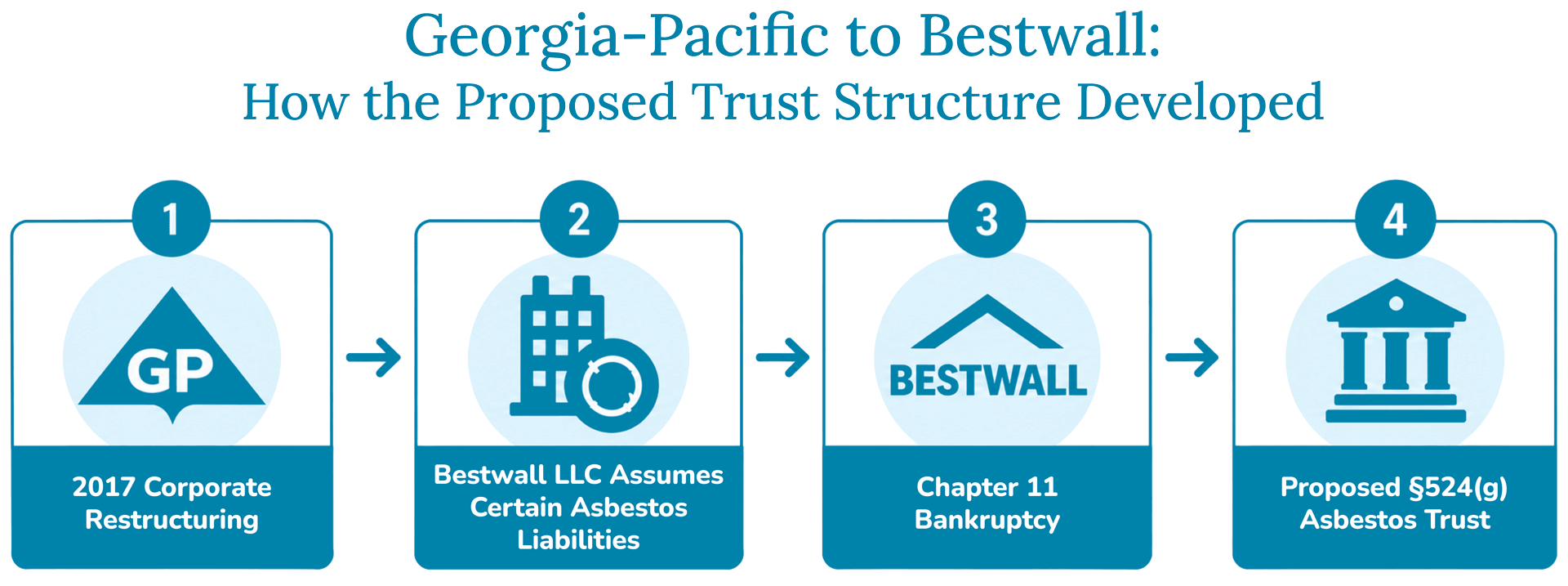
Georgia-Pacific has faced asbestos claims involving joint compound and other building products manufactured by the company and its predecessor, Bestwall Gypsum Company. In 2017, Georgia-Pacific completed a corporate restructuring that assigned nearly all its legacy asbestos liabilities to a new company, Bestwall LLC, which then filed for Chapter 11 bankruptcy.
Nearly nine years later, the bankruptcy remains unresolved. As of October 2026, a final Georgia-Pacific asbestos trust fund has not been established and no trust is currently accepting or paying asbestos claims.
Early, Lucarelli, Sweeney & Meisenkothen (ELSM) has represented thousands of mesothelioma clients, including clients in cases involving Georgia-Pacific and Bestwall asbestos products. ELSM continues to follow the Bestwall bankruptcy status and what its outcome could mean for current and future mesothelioma claims.
Georgia-Pacific Asbestos Trust: At a Glance
- The Georgia-Pacific/Bestwall asbestos trust has not yet been established to accept asbestos claims.
- Bestwall LLC filed for Chapter 11 bankruptcy on November 2, 2017. In re Bestwall LLC, No. 17-31795, is pending in the U.S. Bankruptcy Court for the Western District of North Carolina.
- On August 20, 2026, the court denied a request to appoint a Chapter 11 trustee as settlement discussions continued.
- Bestwall bankruptcy court hearings are scheduled for October 22, 2026 and November 19, 2026. Pending matters involving the proposed Chapter 11 plans are scheduled for December 17, 2026.
Is There a Georgia-Pacific Asbestos Trust Fund?
There is not currently an operational Georgia-Pacific asbestos trust fund accepting or paying claims. A trust has been proposed through the Bestwall LLC Chapter 11 bankruptcy to resolve asbestos claims involving legacy Georgia-Pacific liabilities. However, a final bankruptcy plan establishing the trust has not been confirmed.
Section 524(g) of the U.S. Bankruptcy Code allows a company in Chapter 11 bankruptcy to establish a trust to compensate people with eligible asbestos claims, including people who develop asbestos-related diseases in the future.
Different parties in the Bestwall bankruptcy have proposed plans for resolving the asbestos claims. Some proposals would establish a Bestwall asbestos trust, but no trust is currently operating or accepting claims.
Why Is Bestwall Involved in Georgia-Pacific Asbestos Claims?
Georgia-Pacific faced extensive asbestos litigation related to its asbestos-containing building products. In 2017, Georgia-Pacific completed a corporate restructuring that divided its assets and liabilities between two new entities. Bestwall LLC received nearly all the legacy asbestos liabilities, while the new Georgia-Pacific retained most of the company’s operating businesses and assets.
In 2017, Bestwall faced approximately 64,000 pending asbestos claims. Bestwall filed for Chapter 11 bankruptcy on November 2, 2017, after the restructuring assigned it nearly all of Georgia-Pacific’s legacy asbestos liabilities.
The restructuring used a Texas divisional merger, a legal strategy commonly called the “Texas Two-Step”. The bankruptcy case remains ongoing nearly nine years after it was filed.
Bestwall Bankruptcy Timeline
Since Bestwall filed for bankruptcy in 2017, the case has involved years of court proceedings and appeals over how the company’s asbestos liabilities should be resolved.
Key developments in the Bestwall bankruptcy include:
- November 2, 2017: Bestwall filed Chapter 11 bankruptcy in the U.S. Bankruptcy Court for the Western District of North Carolina.
- February 2024: The bankruptcy court denied a request by the Official Committee of Asbestos Claimants to dismiss Bestwall’s Chapter 11 case.
- August 2025: The Fourth Circuit upheld the bankruptcy court’s refusal to dismiss Bestwall’s Chapter 11 case, allowing the bankruptcy to continue.
- June 1, 2026: The U.S. Supreme Court declined to review the Fourth Circuit decision, leaving the ruling in place.
- August 20, 2026: The bankruptcy court denied a request to appoint a Chapter 11 trustee as settlement discussions continue.
- September 24, 2026: The scheduled Bestwall bankruptcy hearing was cancelled and pending matters involving the proposed Chapter 11 plans were continued to December 17, 2026.
- December 17, 2026: The bankruptcy court is scheduled to consider pending matters involving proposed Chapter 11 plans for resolving Bestwall’s asbestos liabilities.
Don't wait until it is too late to protect your rights! The evaluation will cost you nothing.

What Does the Proposed Georgia-Pacific/Bestwall Asbestos Trust Plan Say?
The proposed plan includes Trust Distribution Procedures (TDP), which are the rules a future Bestwall asbestos trust would use to review claims and determine how much compensation eligible claimants may receive.
The proposed rules include medical and asbestos exposure requirements, procedures for reviewing claims, and methods for determining claim values. However, the plan and TDP have not been approved as the final rules for a Bestwall asbestos trust.
There is currently no final Bestwall trust payment percentage or operational claims process for Georgia-Pacific/Bestwall asbestos claims.
What Happens Next in the Bestwall Bankruptcy?
The next major question is whether the bankruptcy court will eventually approve a Chapter 11 plan that establishes an asbestos trust for eligible claims involving legacy Georgia-Pacific asbestos liabilities.
Important issues remain unresolved, including how much money would fund the trust, who would qualify to file a claim, what evidence would be required, and how eligible claims would be valued.
The next Bestwall bankruptcy court hearings are currently scheduled for October 22, November 19, and December 17.
Can You File a Georgia-Pacific Asbestos Trust Claim in 2026?
No. As of October 2026, there is no operational Georgia-Pacific asbestos trust or Bestwall asbestos trust accepting claims. However, individuals diagnosed with mesothelioma do not need to wait for the Bestwall bankruptcy to conclude before investigating their legal options.
A mesothelioma case may involve asbestos products manufactured by multiple companies. Depending on a person’s exposure history, other legal options may be available, including claims against existing asbestos trusts or lawsuits against other companies.
Documenting asbestos exposure through product use, jobsites, employers, and specific dates may help preserve important evidence if a Bestwall asbestos trust is eventually established.
If you have been diagnosed with mesothelioma and recall working with Georgia-Pacific or Bestwall products, you do not need to wait for the Bestwall bankruptcy to conclude before contacting an asbestos attorney. An exposure investigation may identify other asbestos products or companies that may be connected to your work history and lead to potential compensation.
Partner and Mesothelioma Lawyer
Georgia-Pacific Asbestos Products and Mesothelioma
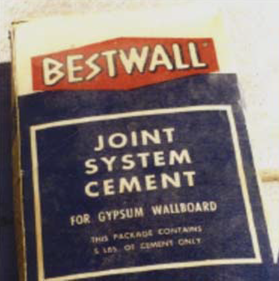
Bestwall Gypsum manufactured asbestos-containing wallboard, joint compounds, and industrial plasters before Georgia-Pacific acquired the company in 1965. Georgia-Pacific continued manufacturing asbestos-containing joint compounds and other building products until 1977.
ELSM Law has represented mesothelioma clients in cases involving Georgia-Pacific and Bestwall asbestos products. Through its work investigating asbestos exposure for mesothelioma cases, ELSM maintains historical product records identifying joint compounds, patching and spackling compounds, and wall and ceiling textures. These records include specific product names, manufacturing dates, packaging details, and application methods.
Product names, manufacturing dates, and packaging details can help identify asbestos products used decades ago. These details are especially important when product names changed over time or after Georgia-Pacific acquired Bestwall. Historical records can help connect a memory of a product or packaging with the company that manufactured it and the time period when it may have been used.
| Product | Years Manufactured | Form/Use |
|---|---|---|
| Bestwall Joint System Cement | 1956–1965 | Dry powder used to finish walls and ceilings |
| Triple Duty Joint Compound | 1956–1977 | Dry powder used to finish walls and ceilings |
| One Day / Speed Set Joint Compound | 1963–1973 | Dry powder used to finish walls and ceilings |
| Ready Mix Joint Compound | 1963–1977 | Paste used to finish walls and ceilings |
| All Purpose Joint Compound | 1967–1977 | Dry powder used to finish walls and ceilings |
| Patching Plaster | 1956–1976 | Dry powder used to patch plaster |
| Spackling Compound | 1956–1971 | Used to finish walls and ceilings and fill holes and cracks |
| Wall and ceiling textures | 1956–1974 | Dry powders used to create textured finishes |
How People Were Exposed to Georgia-Pacific Asbestos Products
Georgia-Pacific and Bestwall asbestos products were used in drywall installation, finishing, and repair. Workers could be exposed to asbestos dust when mixing dry compounds, applying or sanding joint compound, and during cleanup.
Exposure could occur at construction jobsites and other workplaces, as well as during home renovation and repair projects. Workers nearby could also encounter asbestos dust when these products were used or disturbed. Family members could also have experienced secondary asbestos exposure when fibers were carried home on worker’s clothing or hair.
Workers in occupations that may have involved exposure to Georgia-Pacific / Bestwall asbestos products include:
- Carpenters
- Construction workers
- Drywall workers
- HVAC workers
- Laborers
- Maintenance workers
- Shipyard workers
Homeowners and home renovators could also encounter asbestos exposure while using, removing, or disturbing Georgia-Pacific and Bestwall asbestos-containing products.


Talk to ELSM About Your Georgia-Pacific Asbestos Exposure
Early, Lucarelli, Sweeney & Meisenkothen (ELSM) has represented people diagnosed with mesothelioma for more than 40 years, including clients whose cases involved exposure to Georgia-Pacific and Bestwall asbestos products.
If you or a family member has been diagnosed with mesothelioma after exposure to Georgia-Pacific or Bestwall asbestos products, ELSM Law can investigate your exposure history, identify responsible companies, and determine which legal options may be available while the Bestwall bankruptcy process continues. Contact us today for a free mesothelioma case evaluation.
Frequently Asked Questions
Does Georgia-Pacific have an asbestos trust fund?
Not yet. As of October 2026, a finalized Georgia-Pacific asbestos trust fund has not been established or opened for claims. Certain bankruptcy plans and Trust Distribution Procedures have been proposed through the Bestwall Chapter 11 proceeding, but the bankruptcy court has not confirmed a final plan establishing an operational trust.
Is the Bestwall asbestos trust accepting claims in 2026?
No. There is currently no operational Bestwall asbestos trust accepting or paying claims. Proposed plans and trust procedures are still part of the ongoing bankruptcy process and should not be treated as final claim or payment rules.
When will the Georgia-Pacific asbestos trust begin paying claims?
There is no confirmed date. A qualifying bankruptcy plan must be confirmed before establishing an asbestos trust fund that will accept and pay claims. The Bestwall bankruptcy is still in process as of October 2026, with additional hearings scheduled through the end of the year.
What Georgia-Pacific products contained asbestos?
ELSM's historical product records identify Georgia-Pacific asbestos products and Bestwall products that included joint compounds, patching and spackling materials, and wall and ceiling textures manufactured between 1956 and 1977. Specific manufacturing periods varied by product.
Can Georgia-Pacific Asbestos Products Cause Mesothelioma?
Yes. Asbestos exposure can cause mesothelioma. The National Cancer Institute identifies mesothelioma as one of the cancers caused by asbestos exposure. People who worked with or around asbestos-containing Georgia-Pacific asbestos products and Bestwall products could have encountered asbestos fibers when certain materials were mixed, sanded, removed, or disturbed.
Why is Bestwall responsible for Georgia-Pacific asbestos claims?
Georgia-Pacific's 2017 corporate restructuring assigned nearly all its legacy asbestos liabilities to Bestwall LLC. Bestwall then filed for Chapter 11 bankruptcy. The ongoing proceeding seeks a resolution for current and future asbestos claims, potentially through a §524(g) asbestos trust.

Request a Free Case Evaluation
Request a free case evaluation now if you or someone you love has been diagnosed with mesothelioma. The evaluation will cost you nothing. Our lawyers will travel to visit you at your convenience or conference call with you over the phone. We understand how difficult a time this is for you and will assist in any way that we can. You can also call us toll-free at 800-336-0086 at any time.
Attorney Early concentrates his work in asbestos bankruptcy matters. He oversees the bankruptcy department, makes bankruptcy court appearances, and addresses other bankruptcy-related issues. Attorney Early is a licensed attorney in New York, Connecticut, the Southern District of New York, and the Eastern District of New York.
Learn
More


 Please Answer 3 Quick Questions to