
Bridgeport Harbor Station Asbestos Exposure & Compensation


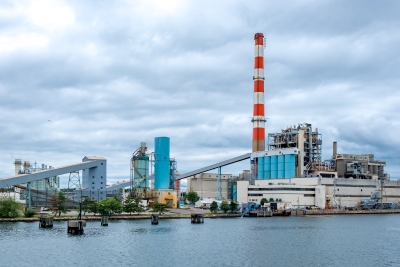
Bridgeport Harbor Station operated from 1957 to 2021, a period that included decades when asbestos was commonly used in building construction, maintenance, and operational equipment. Workers, maintenance crews, and contractors at the Bridgeport, Connecticut facility may have been exposed to asbestos during this time.
Any exposure to asbestos can be harmful. However, power plant workers who had long-term or repeated exposure faced the greatest danger. They have a much higher risk of developing serious diseases, including mesothelioma, lung cancer, and asbestosis.
Individuals suffering from health issues due to asbestos exposure at the Bridgeport power plant may be eligible for compensation. Connecticut asbestos lawyers at Early, Lucarelli, Sweeney & Meisenkothen (ELSM) have helped thousands of families, including those exposed at Bridgeport Harbor Station.
Bridgeport Harbor Station at a Glance
- Bridgeport Harbor Station was a major power generation facility in the region. It is also commonly referred to as Bridgeport Harbor Power Plant, Bridgeport Power Station, and Bridgeport Generating Station.
- Workers were frequently exposed to asbestos used in boilers, turbines, piping, and insulation materials throughout the plant.
- At least 5 asbestos bankruptcy trust funds, established to compensate mesothelioma victims, recognize Bridgeport Harbor Station as a known asbestos exposure jobsite.
- In May 2024, a Bridgeport Superior Court jury awarded $15 million in a mesothelioma case, co-counseled by ELSM Law, linked to talc-based asbestos exposure at Unit 3. An additional $10 million in punitive damages was later awarded bringing the total amount to $22.5 million.
- Individuals diagnosed with mesothelioma linked to Bridgeport Harbor Station asbestos exposure should contact an experienced mesothelioma law firm to explore compensation options.
Recent News on Asbestos Remediation at Bridgeport Harbor Station
- In September 2025, workers finished removing asbestos and other hazards from the old Bridgeport Harbor Station, marking a major step in cleaning up the former coal plant. In spring 2026, the site’s three smokestacks will come down. The $22.5 million state-funded cleanup will prepare the 33-acre waterfront for demolition and redevelopment, including housing, shops, and parks.
Asbestos Exposure at Bridgeport Harbor Station
Bridgeport Harbor Station was run by United Illuminating Company (UI) and served as one of the region’s main fossil-fuel power plants, primarily coal- and oil-fired. Asbestos was widely used in mid-20th-century power generation for its heat-resistant properties, which exposed workers during installation, maintenance, and repairs. asbestos was used in both the construction of the Bridgeport Harbor Station and in operating equipment within the facility, including insulation, fireproofing, piping, structural materials, and machinery components.
Much of the documented asbestos litigation centers around Bridgeport Harbor Station Unit 3, due to its 1960s–1970s construction and heavy use of asbestos in boilers, turbines, and insulation. However, Units 1 and 2 at the same facility also faced similar risks. The plant operated for decades before asbestos restrictions were in place. This puts employees, particularly those involved in boiler operations, piping, repairs, and renovations, at risk of asbestos exposure.
Key Dates in Bridgeport Harbor Station History and Asbestos Exposure:
- 1957: Bridgeport Harbor Station begins operations in Bridgeport, Connecticut, under United Illuminating Company (UI).
- 1960s-2010s: The station remains a cornerstone of regional power supply, operating through Units 1–3 with ongoing maintenance and regulatory renewals. Asbestos talc and other asbestos-containing products are used in construction, maintenance, and equipment.
- 2019: Bridgeport Harbor Station Unit 5, a natural gas-fired combined-cycle facility, begins operations on the same site, representing a shift to cleaner energy.
- 2021: Unit 3 (the last coal-fired unit) is officially retired. Demolition of older units follow, with full site abatement.
- 2025: Asbestos and other hazardous materials are fully removed from the buildings, making the buildings safe for demolition.

A complete guide delivered next day to your doorstep. Treatment Information, top doctors & cancer centers, financial assistance and more.
High-Risk Occupations at Bridgeport Harbor Station
Workers at Bridgeport Harbor Station faced significant asbestos exposure during repairs and insulation work. Boilermakers, pipefitters, insulators, and maintenance crews frequently cut, sanded, and replaced asbestos-containing materials, releasing hazardous fibers into the air. This exposure has been linked to mesothelioma, lung cancer, and other asbestos-related diseases years later.
Some high-risk occupations at Bridgeport Power Plant included:
- Boilermakers
- Electricians
- Engineers
- Insulators
- Laborers
- Machinists
- Maintenance workers
- Mechanics
- Pipefitters
- Steamfitters
- Welders
Secondary exposure occurred when workers brought asbestos dust home on their clothing, putting their families at risk. Direct contact with the worker or contaminated work clothes could expose family members to asbestos fibers, increasing their chances of developing mesothelioma and other asbestos-related cancers. If you developed mesothelioma and have a family member who worked at Bridgeport Power Station, you may be eligible for financial compensation.
When I worked on the new construction of the Bridgeport Harbor Station, I moved a lot of materials, mixed a lot of cement and applied covering to the boiler and pipes. Asbestos insulation products we worked with included covering, block, cement, asbestos cloth, and asbestos paper.Mechanic Helper
Bridgeport Power Station, 1957
Asbestos Products Used at Bridgeport Harbor Station
Many materials used at Bridgeport Harbor Station once contained asbestos because of its heat resistance and durability in high-temperature environments.
In coal-fired power plants like Unit 3, workers mixed industrial talc into high-heat sealants for pipes and valves, insulation pastes for boilers and turbines, and plastic parts for gaskets and electrical fittings. From the 1960s to the 1970s, they poured bags of talc into open mixers without wearing masks, creating thick dust clouds full of asbestos fibers that workers inhaled. Juries, including those in the 2024 Bridgeport case, have ruled that this common, unprotected work caused mesothelioma in asbestos victims years later.
Common asbestos products found throughout Bridgeport Harbor Station and other power plants included:
- Asbestos cloth
- Asbestos paper
- Boilers and boiler components
- Cement
- Compressors
- Fireproof wall and ceiling panels
- Gaskets
- Heat resistant gloves
- Insulation
- Joint compounds
- Paint
- Pipes
- Pumps
- Sealants
- Turbine insulation
- Valves
- Wiring insulation
The $22.5 million verdict in 2024 underscores the lasting danger of 1960s-era talc use in power plants.
Compensation for Bridgeport Harbor Station Workers With Mesothelioma
Individuals affected by mesothelioma from the Bridgeport power plant may be eligible for compensation from companies that provided asbestos-containing products used in the Bridgeport Power Station facilities. ELSM Law has represented at least a dozen clients that suffered from mesothelioma or other asbestos-related diseases due in part to asbestos exposure at the Bridgeport power station.
Several of the companies that supplied asbestos materials to the Bridgeport Power Station have since filed for bankruptcy. In such cases, injured workers may still be able to seek compensation by filing claims through the respective asbestos trust funds established by those companies. If asbestos companies are still in business today, a lawsuit can be initiated against them for exposing the affected party to asbestos.


Asbestos Trust Fund Claims
Bridgeport Power Station does not have its own asbestos trust fund. However, past and present employees may still qualify to file claims with asbestos trusts established by the companies responsible for manufacturing asbestos materials used at Bridgeport Power Station.
These asbestos bankruptcy trust funds provide financial compensation to individuals diagnosed with mesothelioma or other asbestos-related diseases from exposure to toxic materials at Bridgeport Power Station. ELSM Law's mesothelioma attorneys can help determine eligibility for filing a claim against these trusts.
The following list of bankrupt companies with asbestos trusts recognize Bridgeport Power Station in Bridgeport, Connecticut, as an approved jobsite.
| Bankrupt Asbestos Company | Asbestos Exposure Start Date | Asbestos Exposure End Date |
|---|---|---|
| Fibreboard | 12/31/1982 | |
| Pittsburgh Corning | 1/1/1964 | 12/31/1979 |
| Combustion Engineering | 1/1/1965 | 12/31/1982 |
| Babcock & Wilcox | 11/1/1956 | 12/31/1982 |
| Owens Corning | 12/31/1982 |
Asbestos Lawsuits
Workers at Bridgeport Power Station who have been diagnosed with mesothelioma may be eligible for compensation by filing a lawsuit with the help of experienced mesothelioma attorneys at ELSM Law. Financial settlements can cover related expenses; including travel and lodging associated with treatment and hospital stays. Also, compensation from a mesothelioma lawsuit settlement can offset lost wages.
Beyond financial compensation, these lawsuits help encourage companies to recognize the dangers of asbestos and take responsibility for failing to protect their workers.
Workers’ Compensation for Mesothelioma Victims
Connecticut offers strong workers’ compensation protections for both current and former employees, particularly for occupational diseases such as mesothelioma, lung cancer, and other asbestos-related illnesses. Key facts about include:
- Coverage for Retired Workers: Individuals diagnosed with mesothelioma may be eligible for asbestos-related workers’ compensation benefits linked to Bridgeport Power Station in Connecticut, even if their diagnosis occurs after retirement.
- No Restriction to Last Employer: A valid claim does not require that the individual’s final employer before retirement was Bridgeport Power Station.
- Survivor Benefits: Spouses and family members of deceased Bridgeport Power Station employees who suffered from asbestos-related diseases may qualify for compensation on their loved one’s behalf.
- Experienced Legal Support: The skilled mesothelioma lawyers at ELSM Law assist clients in navigating the workers’ compensation system and filing claims to help ensure they receive the maximum benefits available.
Veteran Benefits
To file a valid claim, documentation of asbestos exposure during military service is required, and the Veterans Administration (VA) must determine that the illness is connected to service. An attorney accredited with the VA can help ensure you receive all the benefits you are eligible to receive.

Request a Free Case Evaluation
Request a free case evaluation now if you or someone you love has been diagnosed with mesothelioma. The evaluation will cost you nothing. Our lawyers will travel to visit you at your convenience or conference call with you over the phone. We understand how difficult a time this is for you and will assist in any way that we can. You can also call us toll-free at 800-336-0086 at any time.
Attorney Meisenkothen is a member of several professional organizations, including the Connecticut Trial Lawyers Association, the American Association for Justice, the American Bar Association, and the Connecticut Bar Association.
Learn
More


 Please Answer 3 Quick Questions to