
Brooklyn Navy Yard Asbestos Exposure & Compensation


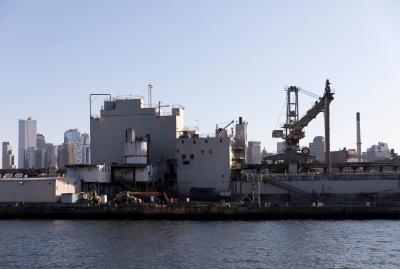
The Brooklyn Navy Yard was once a major naval shipyard where asbestos was heavily used in ship construction and repairs. Shipyard workers, Navy veterans, and others faced asbestos exposure that later caused asbestos-related diseases including mesothelioma, lung cancer, and asbestosis for many.
ELSM asbestos lawyers have helped workers and their loved ones who were exposed to asbestos at Brooklyn Navy Yard and diagnosed with mesothelioma secure compensation through lawsuits and asbestos trust funds.
Brooklyn Navy Yard at a Glance
- Other names for the Brooklyn Navy Yard include New York Naval Shipyard, New York Navy Yard, Brooklyn Naval Shipyard, United States Navy Yard New York, and The Yard.
- Located along the East River in Brooklyn, New York, the shipyard operated from 1801 to 1966. The Brooklyn Navy Yard was one of the “Original Six” U.S. Navy shipyards.
- During World War II, the Yard was the largest shipbuilding facility in the United States. It employed tens of thousands of men and women who worked around the clock. Many were exposed to asbestos during their shifts.
- At least 14 bankruptcy trust funds, established to help asbestos victims, identify Brooklyn Navy Yard as a known jobsite for asbestos exposure.
Brooklyn Navy Yard & Asbestos Exposure in Shipyards
Asbestos was first used in shipbuilding in the late 1800s and became widely used in the 1930s through the 1970s. Asbestos became an important component in the insulation of ship boilers, engines, turbines, and pipes. Asbestos was found in many other ship components, including gaskets, valves, and electric equipment. Ship walls, ceilings, and floors were also insulated with asbestos for its fire-resistance.
Shipbuilding during the 20th century relied heavily on asbestos. Naval and civilian shipyard workers and tradesmen who built and overhauled large vessels at Brooklyn Navy Yard were frequently exposed to asbestos during shipbuilding and ship repair. Asbestos was widely used in large vessels for its fire, corrosion, and heat-resistant properties. Activities such as cutting and replacing asbestos insulation and other asbestos-containing products while repairing ships in drydock during overhauls, released the dangerous fibers into the air, which were then inhaled by sailors, workers, and other bystanders.
Key Dates in Brooklyn Navy Yard History and Asbestos Exposure:
- 1801: Brooklyn Navy Yard is established, becoming one of the earliest naval shipyards in the United States.
- Early 1900s: Asbestos use is documented at the shipyard.
- 1939–1945: During World War II, Brooklyn Navy Yard doubles in size and employs more than 70,000 civilian and naval shipyard workers. Thousands are exposed to asbestos during ship construction and repairs.
- 1966: Secretary of Defense Robert McNamara decommissions the shipyard, which employed more than 9,000 workers at the time.
- 1969: The Yard is reopened by New York City as an industrial park. Civilian shipbuilding continued under Seatrain Shipbuilding until 1981.
Asbestos Use in Naval and Civilian Ships Built at Brooklyn Navy Yard
During World War II, the Brooklyn Navy Yard doubled in size and employed over 70,000 civilian and naval personnel to meet the demand for ship production and repairs required for the American and Allied war effort.
Over 5,000 ships were repaired, and several new battleships and aircraft carriers were constructed during this period including the following vessels:
- USS Bennington
- USS Bon Homme Richard
- USS Franklin D. Roosevelt
- USS Iowa
- USS Kearsarge
- USS Missouri
- USS North Carolina
Following World War II and until 1966, most of the navy ships that were overhauled and built at Brooklyn Navy Yard were aircraft carriers, including the following ships:
- USS Hornet
- USS Independence
- USS Saratoga
- USS Wasp
Upon the decommission in 1966, plans were made to turn the Brooklyn Navy Yard into an industrial park that included a civilian shipyard leased by Seatrain Shipbuilding. Seatrain Shipbuilding’s main goal was to produce crude oil supertankers. Seatrain’s civilian shipbuilders and tradesmen were also exposed to large quantities of asbestos.
High-Risk Occupations at Brooklyn Navy Yard
Some of the many occupations at Brooklyn Navy Yard that had high risk for asbestos exposure and asbestos-related disease include but are not limited to:
- Boilermakers
- Electricians
- Engineers
- Firefighters
- Insulators
- Machinists
- Mechanics
- Navy Veterans
- Painters
- Pipefitters
- Plumbers
- Shipfitters
- Shipyard Workers
- Welders
Secondary Asbestos Exposure
Shipyard workers and tradesmen at the Brooklyn Navy Yard often carried asbestos fibers home on their clothing. Family members who came in contact with them upon their return home, or who washed the work clothes, could have inhaled asbestos fibers. People diagnosed with asbestos-related diseases, including mesothelioma, from secondhand asbestos exposure, may also qualify for the same compensation as those workers who were directly exposed on the job.
Just walking around the Navy yard itself, there was a constant cloud of dust going around everywhere.Boiler Tender,
Serving aboard the USS Harold J. Ellison during overhaul at Brooklyn Navy Yard, 1962
Asbestos Products Used at Brooklyn Navy Yard
Many different products that were used aboard naval and large merchant ships once contained asbestos.
Common asbestos products found on the ships and the docks at Brooklyn Navy Yard include:
- Boilers, Boiler Components
- Engine Components
- Flooring
- Gaskets
- Insulation
- Paint
- Pipes
- Pumps
- Sealants
- Valves

A complete guide delivered next day to your doorstep. Treatment Information, top doctors & cancer centers, financial assistance and more.
Compensation for Brooklyn Navy Yard Workers and Veterans With Mesothelioma
If you or a loved one has been recently diagnosed with mesothelioma from asbestos exposure at Brooklyn Navy Yard, you may be eligible for compensation. The ELSM law firm has represented over 50 clients that suffered from mesothelioma or other asbestos-related diseases due in part to asbestos exposure at Brooklyn Navy Yard.
Compensation may be sought from the many companies that once supplied asbestos products to the shipyard or to the overhauled ships in the shipyard. If those companies are still solvent, a lawsuit can be filed against each company whose asbestos products are proven to have exposed the injured party. Many companies that supplied products to the Brooklyn Navy Yard and later filed for bankruptcy have established asbestos trust funds. Injured workers or veterans who were exposed to those products may be eligible to file claims with the appropriate trusts.
Compensation can help pay for medical treatment, replace lost income, and provide financial support for families.
Asbestos Trust Fund Claims
The Brooklyn Navy Yard itself does not have an asbestos trust fund, but several bankrupt companies that sold asbestos products for use in the shipyard or aboard overhauled vessels have established trust funds to compensate mesothelioma and lung cancer victims.
The following list of bankrupt companies with established asbestos trusts include Brooklyn Navy Yard and/or Seatrain Shipbuilding as an approved jobsite.
| Bankrupt Asbestos Company | Asbestos Exposure Start Date | Asbestos Exposure End Date |
|---|---|---|
| Armstrong World Industries | 1/1/1942 | 12/31/1982 |
| Babcock & Wilcox | 1/1/1903 | 12/31/1982 |
| Combustion Engineering | 1/1/1940 | 12/31/1982 |
| Eagle-Picher | ||
| Fibreboard Corporation | 1/1/1973 | 12/31/1982 |
| Flexitallic | 1/1/1941 | 12/31/1982 |
| GAF Corporation | 12/21/1959 | 11/6/1963 |
| Halliburton | 1/1/1936 | 12/31/1982 |
| Keene Corporation | 1/1/1942 | 12/31/1982 |
| Owens Corning | 1/1/1940 | 12/31/1982 |
| Owens-Illinois | 4/11/1956 | 12/31/1958 |
| Pittsburgh Corning | 1/1/1971 | 12/31/1982 |
| United States Gypsum | 1/1/1940 | 1/2/1968 |
| United States Mineral | 1/1/1960 | 12/31/1982 |
Asbestos Lawsuits
The mesothelioma lawyers at ELSM make it their goal to require as little of their clients’ time as possible so that they can focus on treatment and quality of life. In most lawsuits, only a deposition detailing work at Brooklyn Navy Yard and any other sites where asbestos exposure occurred will be necessary.
It is likely that an ELSM client with asbestos exposure at Brooklyn Navy Yard will have their mesothelioma lawsuit filed in the New York City Asbestos Litigation (NYCAL) court, which is established to handle only lawsuits involving asbestos-related disease. NYCAL has two “in-extremis” dockets, one in April and one in October, designed to provide compensation to living mesothelioma victims as quickly as possible.


Veteran Benefits
Veterans exposed to asbestos during military service may also qualify for VA Benefits through the Department of Veterans Affairs (VA). An experienced mesothelioma attorney can help guide you through the process of filing for VA benefits in addition to filing a mesothelioma lawsuit and asbestos trust claims. ELSM has VA-accredited attorneys who will assist you in filing your VA claims free of charge.
Common Questions About Asbestos Exposure at Brooklyn Navy Yard
Will I be suing the U.S. Navy for my exposure to asbestos at Brooklyn Navy Yard?
No. All lawsuits and bankruptcy claims filed on behalf of mesothelioma victims are against companies that produced asbestos-containing products. The U.S. Navy and other U.S. military branches are not sued in a mesothelioma lawsuit.

Request a Free Case Evaluation
Request a free case evaluation now if you or someone you love has been diagnosed with mesothelioma. The evaluation will cost you nothing. Our lawyers will travel to visit you at your convenience or conference call with you over the phone. We understand how difficult a time this is for you and will assist in any way that we can. You can also call us toll-free at 800-336-0086 at any time.
Attorney Brian Early is a managing partner at ELSM. For the past 25 years, he has represented more than 500 mesothelioma clients. He dedicates his practice to pursuing justice for people and families affected by asbestos exposure.
Learn
More


 Please Answer 3 Quick Questions to